

For decades, the final score was the only thing that mattered in football. xG was unheard of. If a team won 1-0, they were “stronger.” If they lost 3-0, they were “in crisis.” But as any seasoned bettor knows, the scoreboard is often the biggest liar in sports.
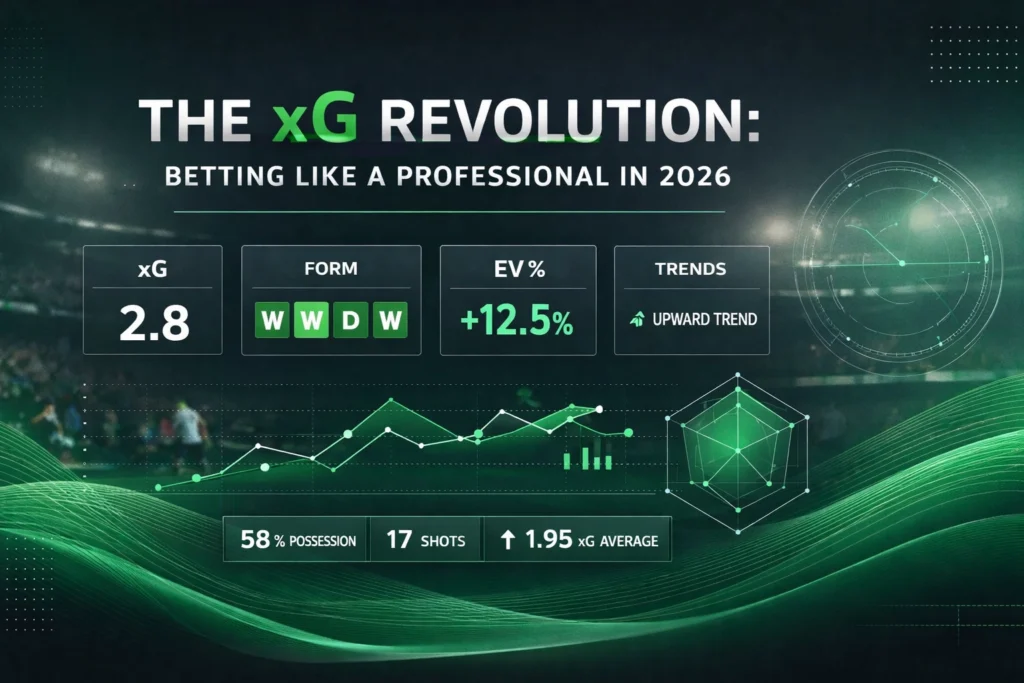
By March 2026, the gap between casual punters and professionals has widened. The difference isn’t just about who has the better “gut feeling”: it is about who understands the underlying process of a match. Welcome to the xG revolution. At Gecko Edge, we’ve seen how Expected Goals (xG) has transitioned from a niche stat used by nerds on Twitter to the primary weapon for anyone serious about finding value in the markets.
If you want to stop chasing results and start betting on reality, you need to understand how the pros are using xG right now.
The Foundation: Why xG is Your North Star
At its simplest, xG measures the quality of a chance. It assigns a value between 0.00 and 1.00 to every shot taken. A penalty? That’s roughly 0.76 xG. A speculative 35-yard thronker through a crowded box? You’re looking at something closer to 0.02 xG.
When you add these up over 90 minutes, you get a much clearer picture of which team actually “deserved” to win. But “deserving” doesn’t pay the bills. Predicting what happens next does.
Professionals use xG to look past the noise of a lucky deflection or a goal-line clearance. By 2026, the models used by Gecko Edge have become so refined that they account for everything from the angle of the shot to the speed of the preceding pass. This isn’t just counting shots; it’s measuring intent and execution.

The Art of Fading Overperformance
The most profitable move in a pro’s playbook is identifying teams that are “running hot.”
Imagine a team that has won four matches in a row. The media is talking about a title charge. The odds for their next match are plummeting because everyone is jumping on the bandwagon. But the data tells a different story: in those four wins, they were actually outshot and conceded more high-quality chances than they created. They won 1-0 repeatedly with an xG of 0.5 vs an opponent’s 1.8.
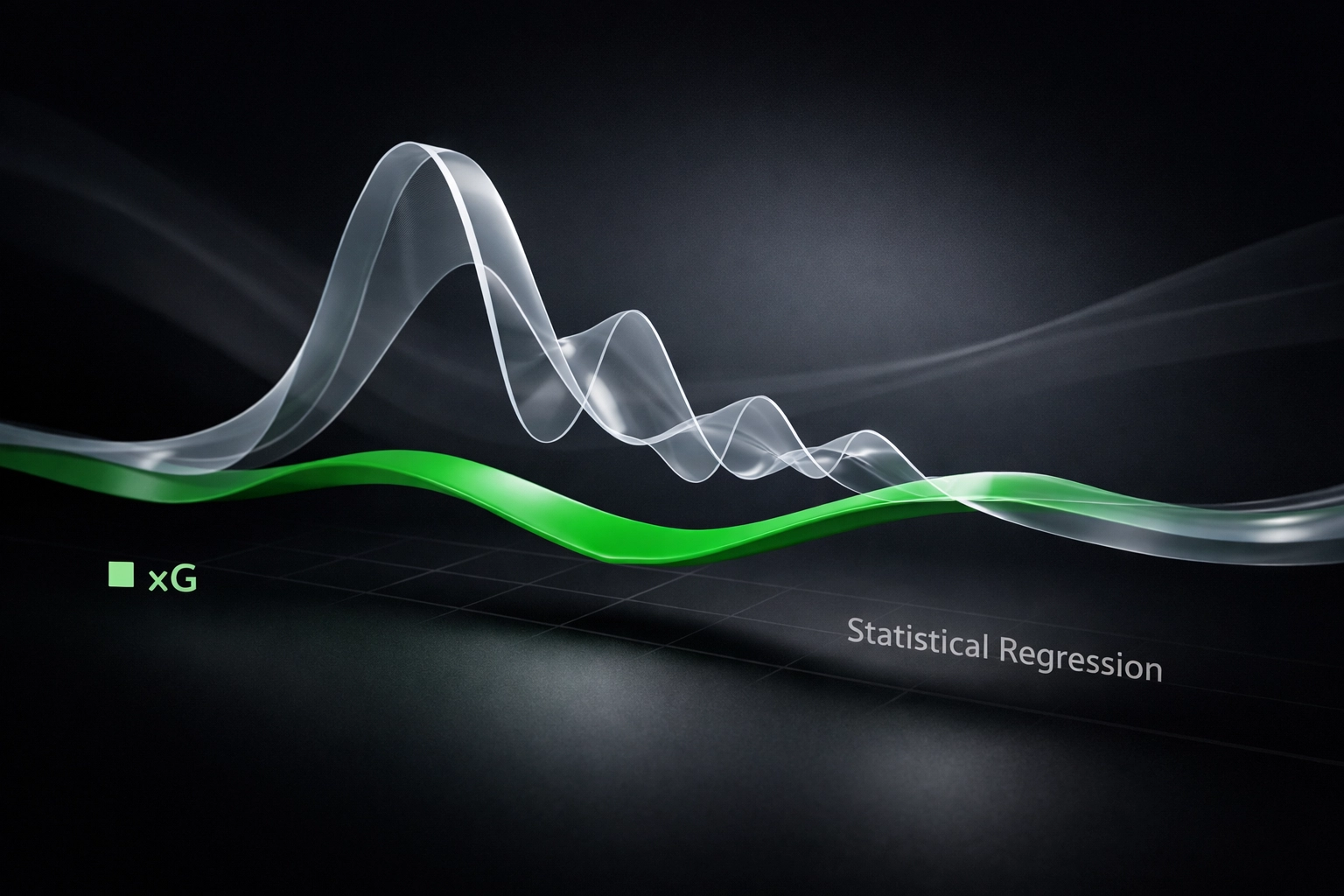
In the industry, we call this overperformance, and it’s almost always followed by a “regression to the mean.”
Professional bettors use Gecko Edge insights to “fade” these teams. We bet against them while their price is still artificially low. Eventually, the luck runs out. The strikers stop hitting the top corner from 30 yards, and the goalkeeper stops making world-class saves every ten minutes. When reality hits, the pro has already cashed in.
xGA: The Secret Defensive Edge
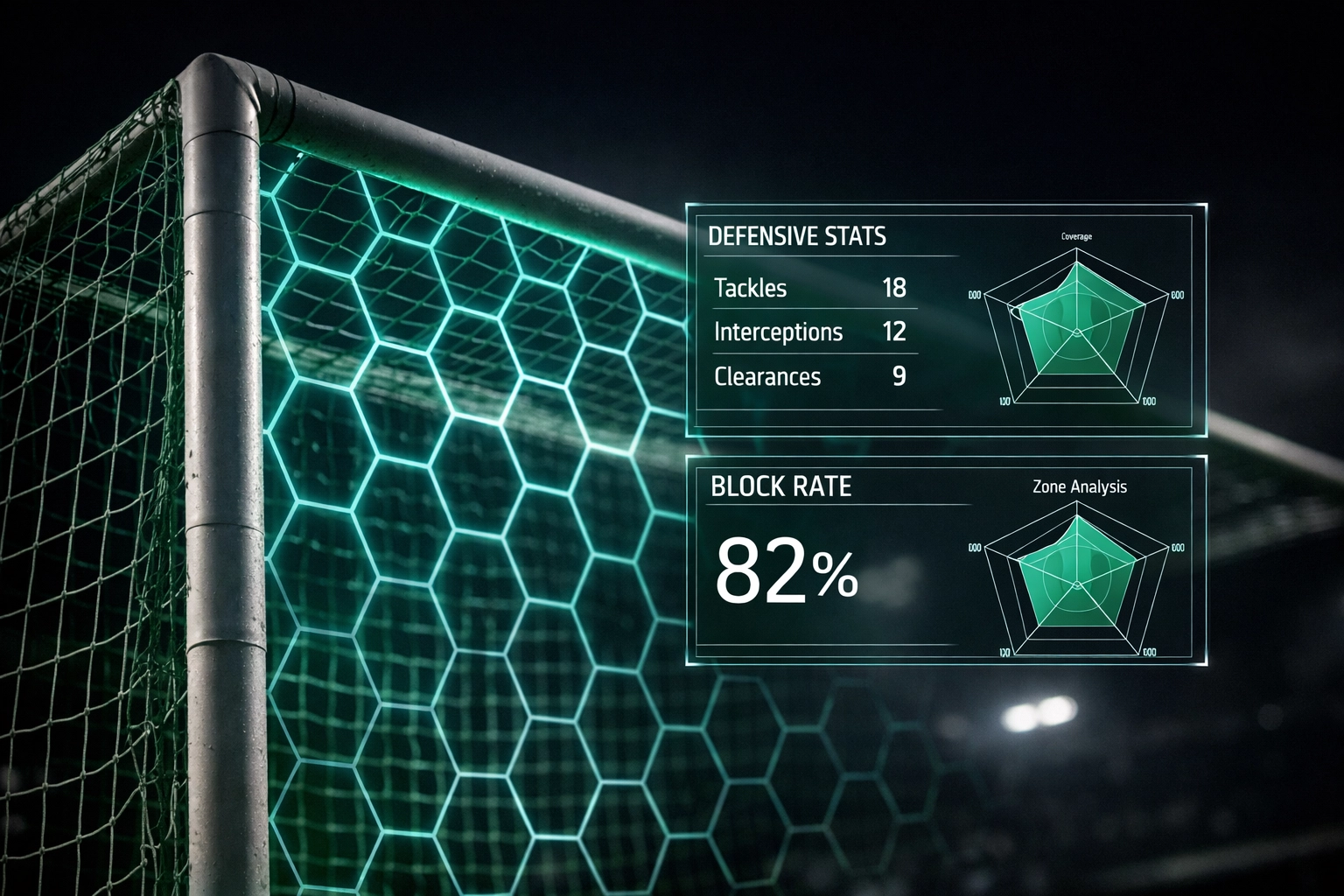
While everyone looks at goals scored, the real value often lies in Expected Goals Against (xGA). This metric tells you how many goals a team should have conceded based on the chances they allowed.
Take the 2025-26 season as a prime example. In the early months, Tottenham were sitting comfortably near the top of the table, having conceded very few goals. However, their xGA was ranked 15th in the league. They were allowing high-quality chances, but opponents were missing sitters or the woodwork was coming to the rescue.
The market saw a “solid defence.” The data saw a “leaky bucket.” Smart bettors used this discrepancy to find value in the “Both Teams to Score” (BTTS) and “Over 2.5 Goals” markets before the bookies adjusted the prices. If you want to dive deeper into this specific approach, check out our guide on using xG to predict scoring outbursts.
Finding Value in the Underperformers
On the flip side, some of the best bets you’ll ever make are on teams that look terrible on paper but are actually playing great football.
Brighton has historically been the poster child for this. They create chance after chance (high xG) but fail to convert them into goals. The casual market sees a team that “can’t score” and starts betting against them. This drives their odds up.
But as a professional, you know that if a team continues to create high-quality chances, the goals will come. It’s a mathematical inevitability. Betting on these underperformers when the market is down on them is how you secure long-term Positive Expected Value (EV).
Market Selection: Beyond the Win/Draw/Win
By 2026, xG isn’t just for predicting who wins. It’s for dismantling secondary markets. Professional traders use xG to dominate:
- Asian Handicaps: When the xG data suggests a match will be much tighter than the odds suggest, the +0.5 or +1.0 handicap becomes a goldmine. You can learn more about this in our Handicap Masterclass.
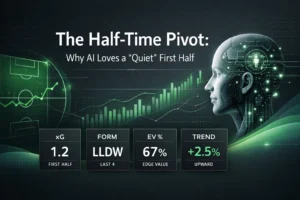
- In-Play Betting: If a match is 0-0 at half-time but the xG is 1.5 – 1.2, you know a goal is coming. The “Over 0.5 Second Half Goals” market suddenly looks very attractive while the “gut-feeling” bettors are assuming it’s a boring stalemate.
- Player Props: xG can be broken down to individual players (npxG – non-penalty expected goals). If a striker is getting 3 or 4 high-value chances per game but hasn’t scored in three weeks, his “Anytime Goalscorer” price will be huge. That’s a value play.
The Psychology of the Data-Driven Bettor
The hardest part of the xG revolution isn’t the maths; it’s the mindset. It’s hard to bet against a team that just won 4-0. It’s hard to back a team that hasn’t won in a month.
But at Gecko Edge, we believe in the data because the data doesn’t have an ego. It doesn’t get swept up in “derby day atmosphere” or “momentum.” It simply calculates probability.
The professional bettor understands that they aren’t trying to win every single bet. They are trying to make bets where the probability of the outcome is higher than the odds suggest. Over hundreds of matches, the xG will always prove more reliable than the headlines. If you struggle with the emotional side of betting, our look at the psychology of odds is a must-read.
Smarter Betting Starts Here
The xG revolution has changed the game, but it hasn’t made it impossible. It has simply raised the bar. You can no longer rely on looking at the league table on a Saturday morning and expect to beat the bookies. They are using sophisticated AI models to set their lines, and you need to use the same level of technology to find the holes in them.
Whether it’s identifying defensive luck in the Premier League or finding undervalued strikers in the Championship, xG is the lens that brings the blurred reality of football into sharp focus.
At Gecko Edge, we’ve analysed thousands of data points to ensure our members are always one step ahead of the curve. The 2026 season is well underway, and the opportunities are there for those who know where to look.
Stop betting on what happened. Start betting on what is likely to happen.
Built For Bettors, Powered By AI.