

In-play betting with AI sounds like a goldmine. Real-time predictions, lightning-fast analysis, automated insights that spot value before the bookies catch up. The marketing promises are seductive. The reality is more nuanced.
After working with thousands of bettors who’ve tried AI-powered in-play strategies, I’ve seen the same patterns emerge. The technology is genuinely powerful, but most people use it wrong. They chase false promises, ignore basic principles, and wonder why their bankroll disappears.
Let’s cut through the noise and examine what actually works.
The Myths That Cost You Money
Myth 1: AI Predicts Everything in Real-Time
The biggest misconception is that AI sees the future. It doesn’t. Modern AI models achieve around 65-75% accuracy on major leagues, which beats guesswork but isn’t magic. What AI excels at is processing vast amounts of live data faster than any human could manage.
When Liverpool goes 1-0 down at Anfield, AI can instantly factor in their historical comeback rate, current form, opponent fatigue levels, and dozens of other variables. But it can’t predict Salah getting a red card in the 73rd minute.
Myth 2: More Data Always Means Better Predictions
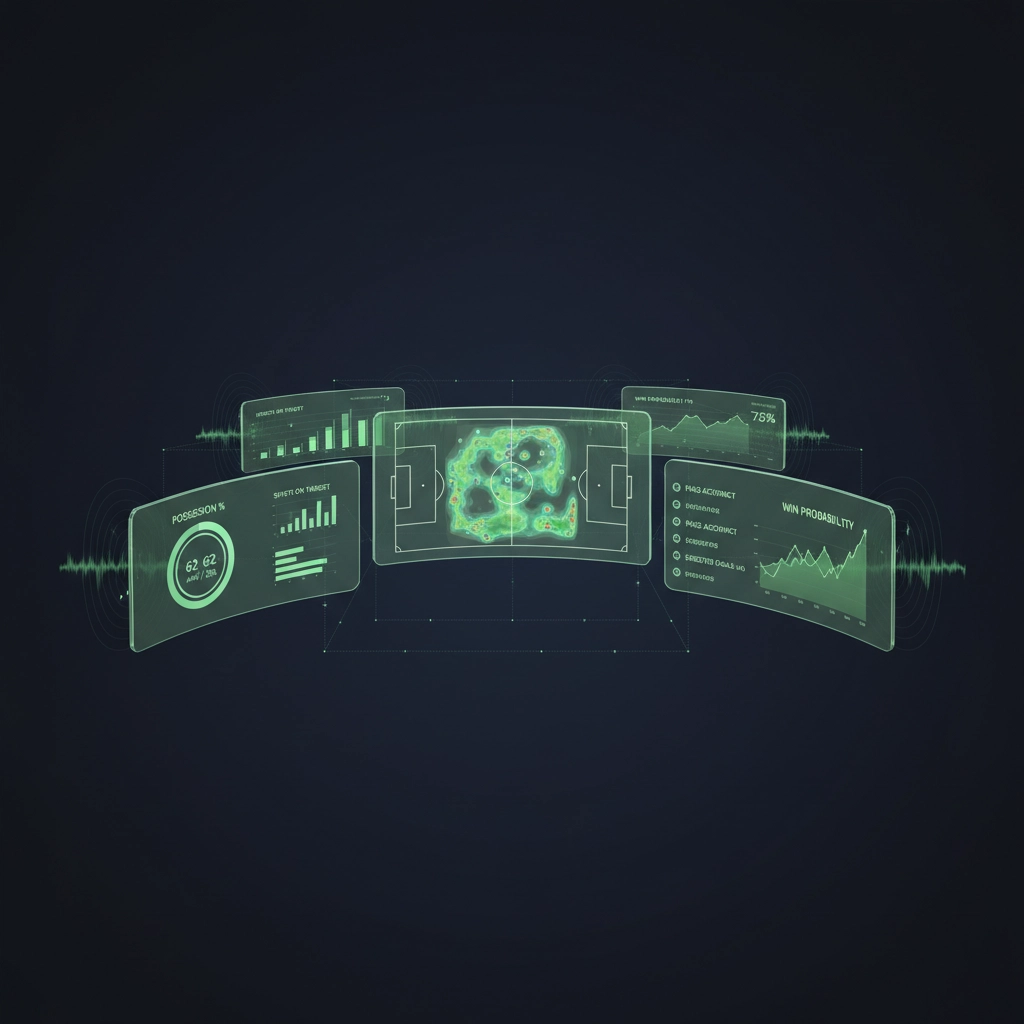
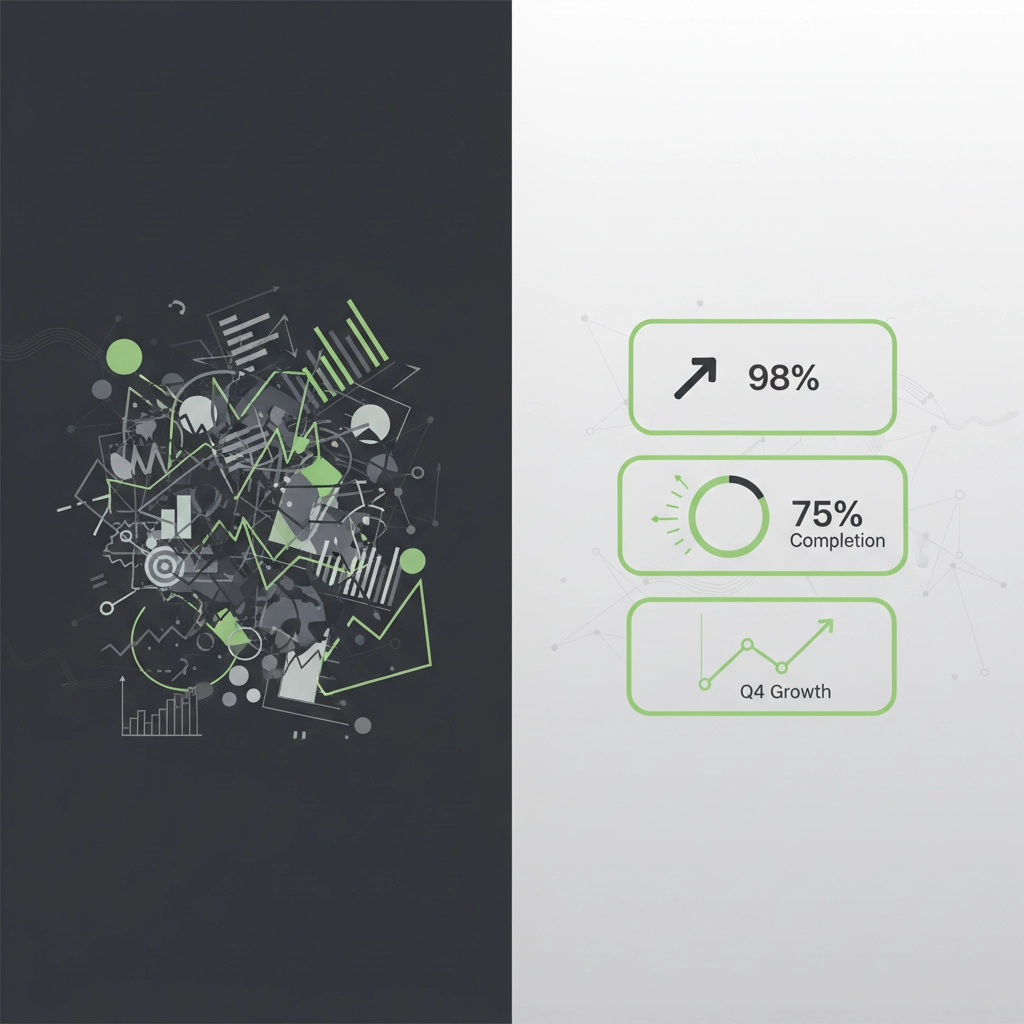
I’ve watched bettors get seduced by platforms showing hundreds of metrics updating every second. Expected goals, possession percentages, heat maps, pressure indices. It’s impressive theatre, but more data isn’t automatically better data.
The key is context. A team having 70% possession means nothing if they’re passing sideways with no intent. Gecko Edge focuses on the metrics that actually correlate with outcomes, not the ones that look sophisticated.
Myth 3: AI Removes All Risk
This one’s dangerous. Some bettors treat AI predictions like guaranteed outcomes, staking recklessly because “the algorithm says so”. AI gives you better information to make decisions. It doesn’t make betting risk-free.
The Mistakes That Drain Bankrolls
Chasing Live Odds Movements
Here’s a classic mistake. You see odds shortening on a team, assume the AI has spotted something, and pile in without understanding why. Sometimes odds move because of genuine value. Sometimes it’s just weight of money from casual punters.
Smart in-play betting means understanding the difference. When professional money moves a line, that’s a signal. When social media hype moves it, that’s noise.
Ignoring the Bigger Picture
Live betting can become hypnotic. You’re focused on the next goal, the next card, the next corner. But zoom out. What does the season-long data tell you about this team’s late-game performance? How do they typically respond to going behind?
I’ve seen bettors make brilliant in-play reads but ignore fundamental mismatches. They back the underdog’s momentum without considering they’re playing with ten men and their best defender just limped off.
Betting Every Movement
AI provides constant updates, and FOMO kicks in. Every shift in probability feels like an opportunity. This is where discipline separates profitable traders from losing punters.
Not every AI signal is actionable. Sometimes the best move is no move.
Money-Making Moves That Actually Work
Strategy 1: The Lag Advantage
Bookmaker odds update quickly, but they’re not instant. When significant events happen – injuries, tactical changes, momentum shifts – there’s often a 30-60 second window where AI has processed the new reality but some books haven’t adjusted their prices.
This isn’t about being faster than algorithms. It’s about being faster than the books that rely on slower data feeds or manual updates.
Strategy 2: Context-Driven Value Hunting
Raw statistics lie. A team might dominate possession but create no real chances. They might have fewer shots but better quality attempts. AI helps you dig beneath surface numbers to find genuine value.
Look for teams that consistently outperform their in-game statistics. Some sides are clinical finishers. Others create chances in chaotic moments that don’t show up in clean data. Understanding these patterns gives you edges that pure algorithmic betting misses.
Strategy 3: Anti-Momentum Plays
Here’s a contrarian approach that works. When a team scores early and their odds crash, consider the opposite position. Football matches aren’t linear. Early goals often lead to defensive game management, reducing the likelihood of high-scoring games.
AI can identify when market sentiment has overcorrected based on small sample events. Use this psychological tendency to your advantage.

The Real-Time Intelligence Edge
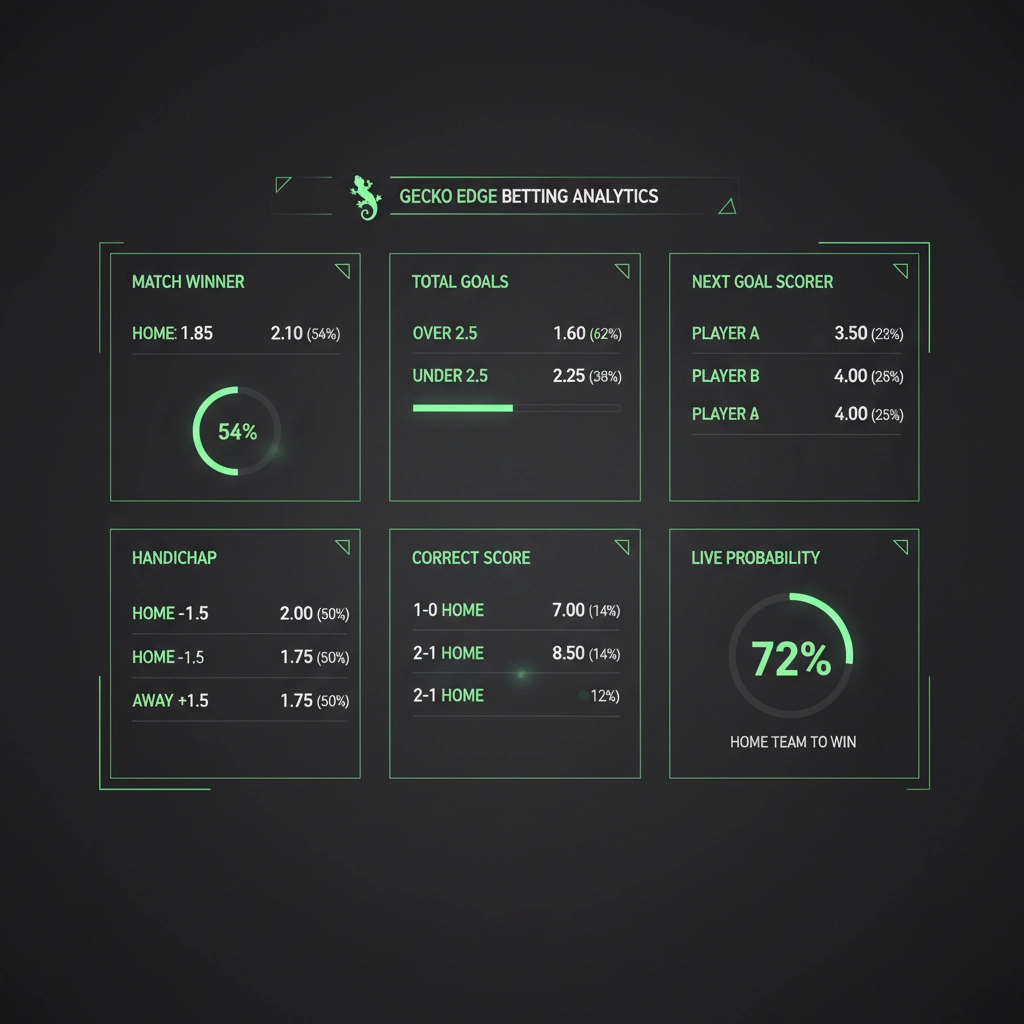
Gecko Edge‘s approach to in-play analysis focuses on actionable insights rather than data bombardment. Instead of showing you 47 different metrics, it highlights the three that actually matter for the specific game state.
This contextual intelligence is crucial. When Arsenal are losing 1-0 with 20 minutes left, you need to know their historical comeback rate in similar situations, how they typically respond tactically, and whether their current form suggests they can execute under pressure.
Reading Market Movements
Professional bettors leave footprints in the market. When serious money moves odds significantly without obvious justification, pay attention. AI can help identify these movements by comparing expected probability shifts with actual price changes.
If a team’s win probability drops from 40% to 35% based on game state, but their odds lengthen as if it dropped to 25%, someone knows something you don’t.
Practical Applications
The 70th Minute Window
There’s a sweet spot around the 70th minute where tactical changes create value opportunities. Managers make substitutions, teams push forward desperately or shut up shop defensively. AI can predict these tactical shifts based on historical patterns and current game state.
This is when disciplined in-play betting pays off. You’re not reacting to what just happened – you’re anticipating what’s about to happen.
Fatigue Factor Analysis
As matches progress, player fatigue becomes a critical variable. Teams that press intensively early often fade in the final 20 minutes. AI can track pressing intensity, sprint counts, and historical late-game performance to identify when tired legs create opportunities.
The Limitations You Must Accept
AI cannot predict referee decisions, freak injuries, or moments of individual brilliance that change games. It cannot account for off-field drama affecting player mentality. It cannot see into the future.
What it can do is give you better information faster than manual analysis. It can identify patterns you’d miss. It can help you make more informed decisions in high-pressure situations.
The most successful in-play bettors use AI as a sophisticated tool, not a crystal ball. They understand its strengths and limitations. They maintain discipline when everything suggests going big on a “sure thing”.
Building Your In-Play Strategy
Start with bankroll management. Never stake more than 2-3% of your bankroll on any single in-play bet, regardless of AI confidence levels. The variance in live betting is higher than pre-match markets.
Specialise in leagues and teams you understand. AI provides data, but context comes from knowledge. If you know how Tottenham typically respond to going behind at home versus away, you can better interpret what AI tells you about their current situation.
Keep detailed records. Track not just wins and losses, but the reasoning behind each bet. Which AI signals proved reliable? Which game states offered the best value? This feedback loop improves your decision-making over time.
The truth about in-play AI predictions is this: they’re powerful tools in the right hands. They process information faster and more comprehensively than humanly possible. But they require discipline, context, and realistic expectations.
Use them to gain edges, not guarantees. Trust the process, not individual outcomes. And remember – the best technology in the world cannot overcome poor bankroll management or emotional decision-making.
Smart in-play betting combines AI insights with human judgement. Master both, and you’ll find opportunities that others miss.