The 80th minute of a football match is a strange place. On the pitch, players are fighting fatigue, and tactics often go out the window in favour of desperation. In the stands, the atmosphere is a mix of frantic hope and mounting dread. But in the markets, the 80th minute is where the noise peaks: and where the signal becomes the clearest for those prepared to see it.
For many, this is the time to close a position and breathe. For the professional, it is the time to pivot.
At Gecko Edge, we look at these final ten minutes (plus stoppage time) not as a gamble, but as a high-leverage data environment.
When most traders are letting emotion dictate their next move, AI remains objective. Scaling your edge in the late game isn’t about guessing if a goal is coming; it’s about identifying the mathematical probability of that goal versus the price the market is offering.
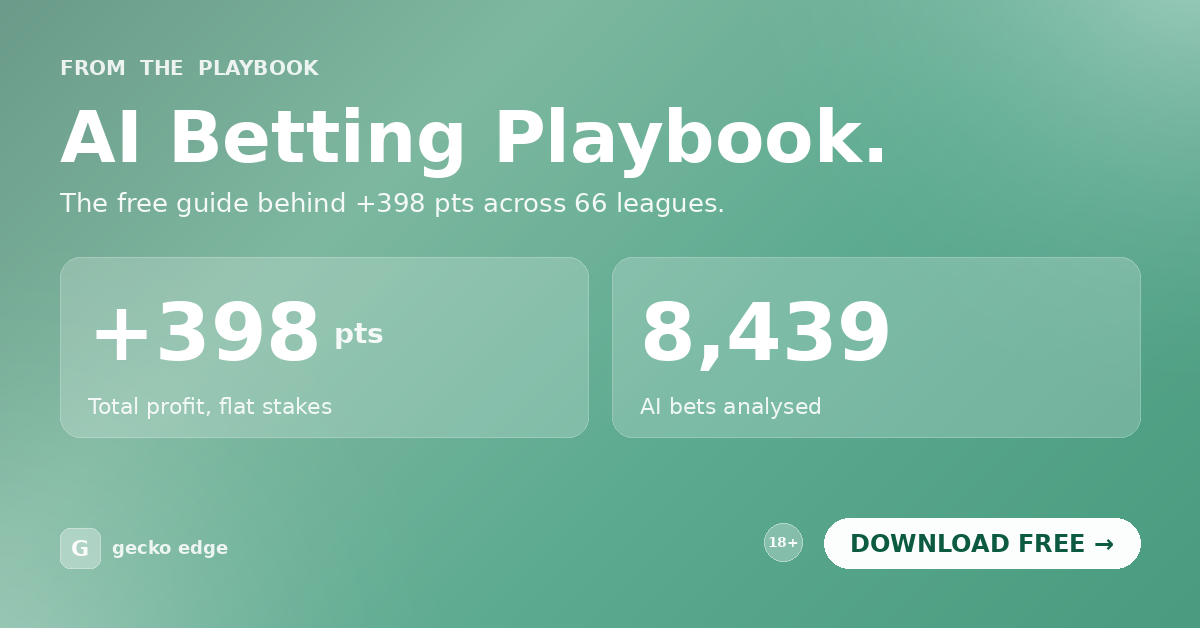
Gecko Edge has tracked 8,439 AI-generated bets and recorded +398pts of profit across 66 competitions. See how the model works →
This is the science of the pivot.
The Anatomy of Market Panic
To understand why in-play betting strategies are so effective in the closing stages, you have to understand the human element. The final whistle represents a hard deadline. As that deadline approaches, the liquidity in the market often shifts.
Retail bettors tend to behave in one of two ways. They either chase losses with “insurance” bets that lack value, or they panic-sell positions because they cannot stomach the final ten minutes of uncertainty. This creates a vacuum.
The market often overcompensates for the time remaining. You will see odds for “Over 0.5 Goals” or “Next Goal” ballooning at a rate that doesn’t always align with the actual pressure on the pitch. If a team is trailing by one and has just brought on two fresh strikers while the opposition is down to ten men, the statistical likelihood of a goal is higher than the clock suggests.
Reading the Pitch Through Data
When we talk about the “Pivot,” we are talking about moving from a pre-game thesis to a real-time execution. Perhaps you expected a high-scoring game that is currently sitting at 0-0. Traditional logic says you were wrong. AI logic asks: Why is it 0-0?
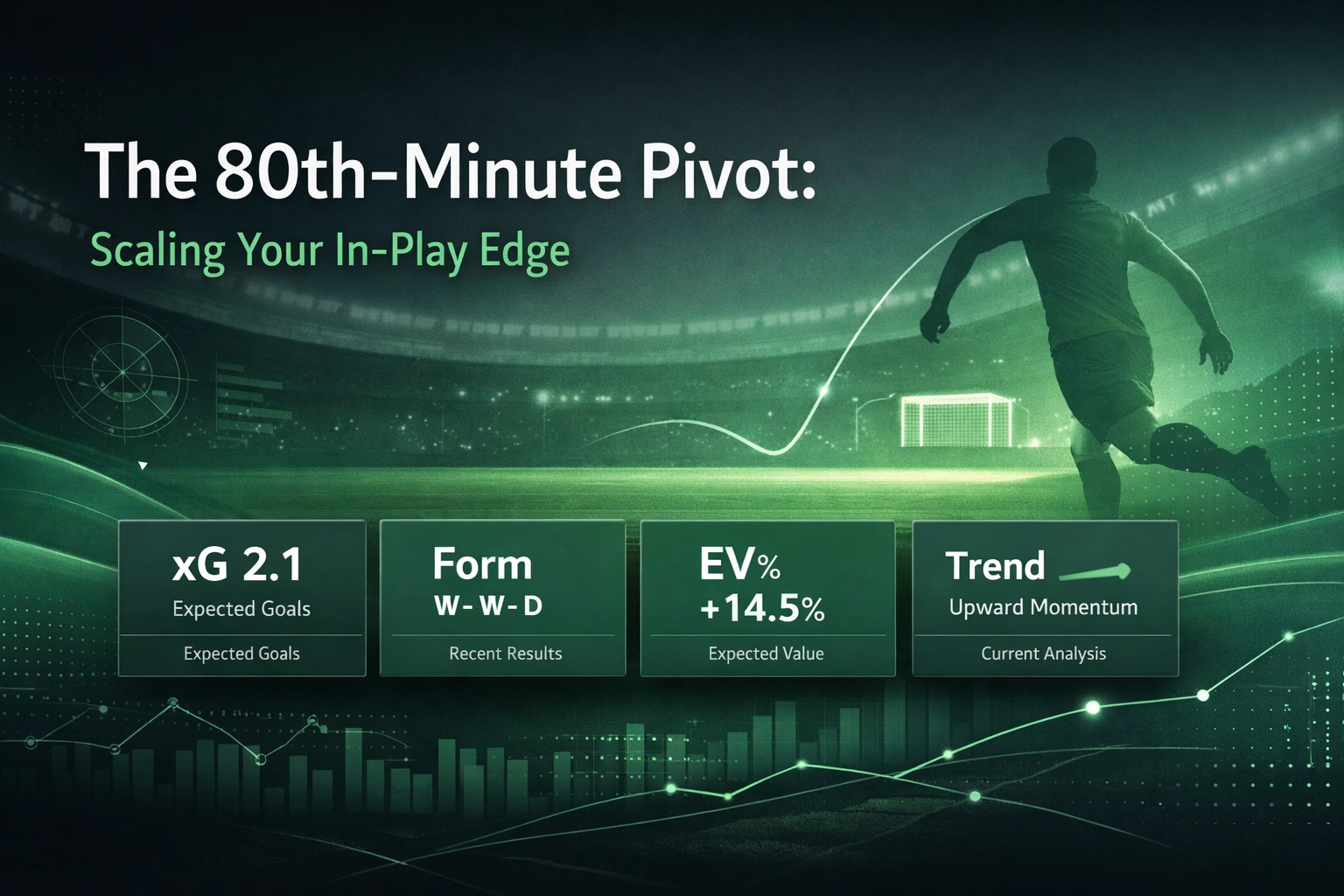
If the expected goals (xG) are high: meaning teams are creating quality chances but failing to convert: the value isn’t in walking away. The value is in the 80th-minute pivot. By using real-time data, Gecko Edge processes hundreds of in-game variables: possession in the final third, corner frequency, shot velocity, and even player fatigue: to determine if the “0-0” is a fluke or a trend.
If the AI shows a high probability of late-game variance, you aren’t gambling on a “hunch.” You are placing a high-EV bet based on a mismatch between the pitch reality and the market price.
The Power of High-Leverage Decisions
In-play trading isn’t about being active for 90 minutes. It’s about being right for five.
One of the most effective in-play betting strategies involves the “Scaling” aspect. This doesn’t mean just betting more money. It means increasing your exposure when the data points align with a high degree of confidence.
Consider the “Late Goal” market. Around the 80-minute mark, the price for a single goal can often reach 3.00 or higher. If your AI tools indicate that the expected goal stats for the last 10 minutes are significantly higher than the league average for that period, you have found a leverage point.

The Decision Matrix
- Analyse: Look at the current xG vs. the actual score. Is there a deficit?
- Assess: Check the substitution patterns. Have the attacking threats increased?
- Act: If the price offered by the bookmaker exceeds the AI-calculated probability, the pivot is executed.
This calm, analytical approach is what separates the long-term winners from the weekend hobbyists. It is the core philosophy of Gecko Edge: Smarter Betting Starts Here.
Scaling Without Overexposure
The danger of the 80th-minute pivot is the adrenaline. It’s easy to feel “certain” that a goal is coming because the pressure is high. But certainty is a trap. Only probability exists.
Scaling your in-play edge requires a strict adherence to EV betting principles. You should never scale a position just because you want to “make up” for a slow afternoon. You scale because the data indicates a mathematical advantage that is too large to ignore.
Using AI football predictions in real-time allows you to keep your emotions in check. When the screen shows you a percentage, it’s harder to let your heart rate dictate your stake. If the AI suggests a 40% chance of a late goal, and the market is pricing it at 20% (odds of 5.00), that is a massive edge. Whether the goal actually happens in that specific game is secondary; if you take that edge every time, the maths will eventually favour you.

The Defensive Pivot: Knowing When to Hold
Not every pivot is an aggressive one. Sometimes, the smart move at the 80-minute mark is the “Defensive Pivot”: recognising that the market is overestimating the chance of a goal.
We’ve all seen games where both teams seem to have reached a “gentleman’s agreement.” The intensity drops, the ball stays in the middle third, and players are walking. The retail market, conditioned by “Super Sunday” narratives, often expects a “grandstand finish.”
If the Gecko Edge models show a sharp decline in dangerous attacks and xG generation in the second half, the pivot might be to back the “Under” or the current scoreline. Scaling your edge means being just as comfortable betting on nothing happening as you are betting on a miracle.
Technological Mastery: The Gecko Edge Advantage
The speed of modern markets means that by the time you’ve manually checked the stats, the odds have already moved. This is why AI betting systems are no longer a luxury: they are a requirement for anyone serious about scaling their edge.
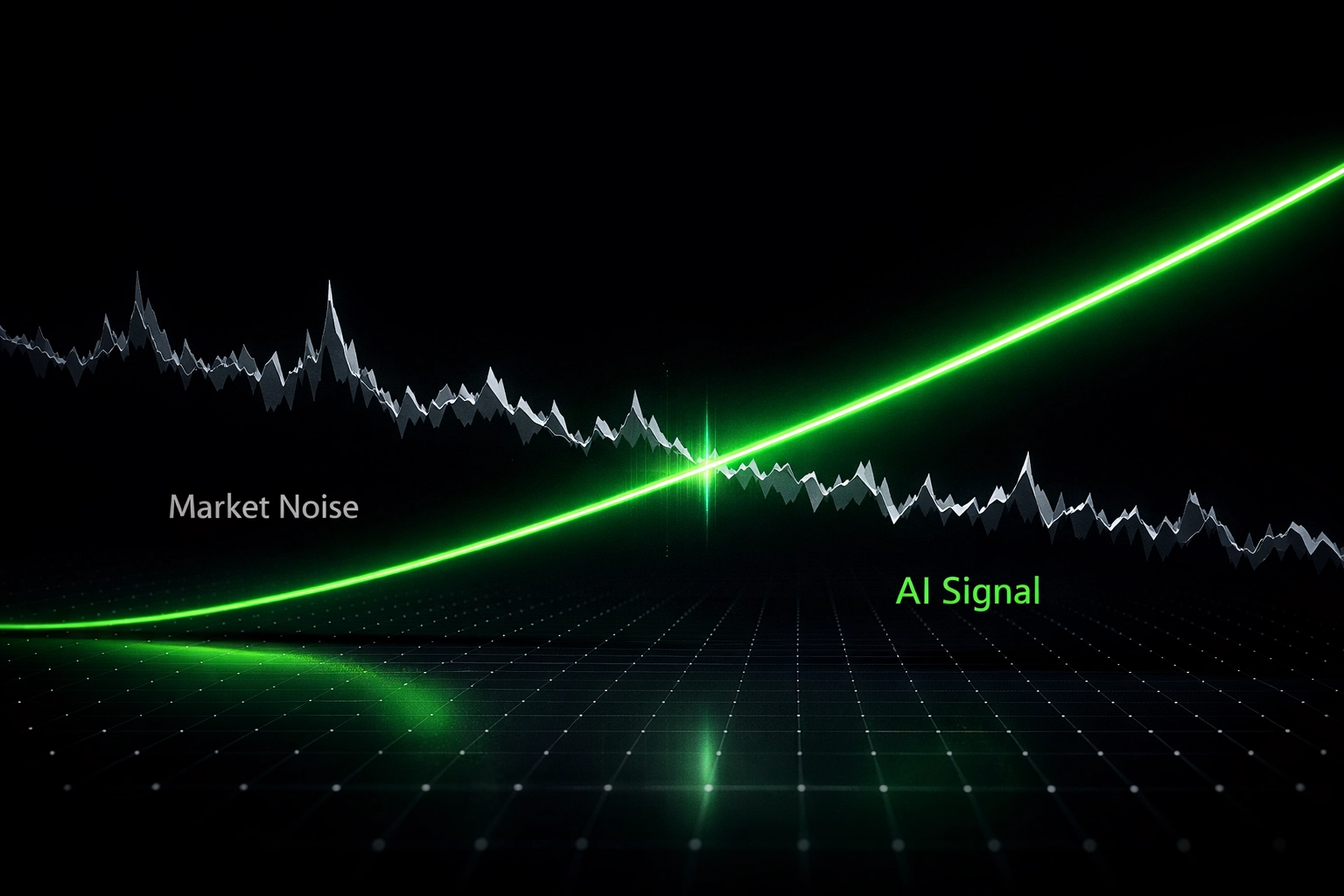
Our systems are built for bettors, powered by AI. We process the noise so you can focus on the decision. In the 80th minute, you don’t need a spreadsheet; you need a clear, data-driven signal.

Final Thoughts: The Disciplined Path
The 80th-minute pivot is a masterclass in discipline. It requires you to be patient for the first 80% of the match, watching, waiting, and collecting data. It requires the humility to admit when a pre-match trend isn’t materialising and the courage to act when a new opportunity presents itself.
Professionalism in football trading isn’t about the big wins; it’s about the consistency of your process. By integrating expected value into every late-game decision, you move away from the chaos of the crowd and into the clarity of the quant.
If you’re ready to stop guessing and start calculating, the final ten minutes of the match are no longer a source of anxiety. They are your greatest opportunity.
Stay sharp. Use the data. Trust the pivot.