



A red card flashes. The crowd erupts. And within seconds, the in-play betting markets go haywire.
Bookmakers scramble to adjust. Odds swing wildly. Casual punters pile in on the team with eleven men. Everyone assumes the match is now a foregone conclusion.
But here’s the thing. It rarely is.
Red cards create some of the most mispriced moments in live football betting. The markets overreact. They apply blanket adjustments when the reality is far more nuanced. And that’s exactly where sharp bettors find value.
Let’s break down what actually happens when a player gets sent off: and how to spot when the odds have moved too far, too fast.
The Knee-Jerk Reaction: How Markets Move After a Red Card
When a red card is shown, betting odds shift dramatically. We’re not talking small adjustments here.
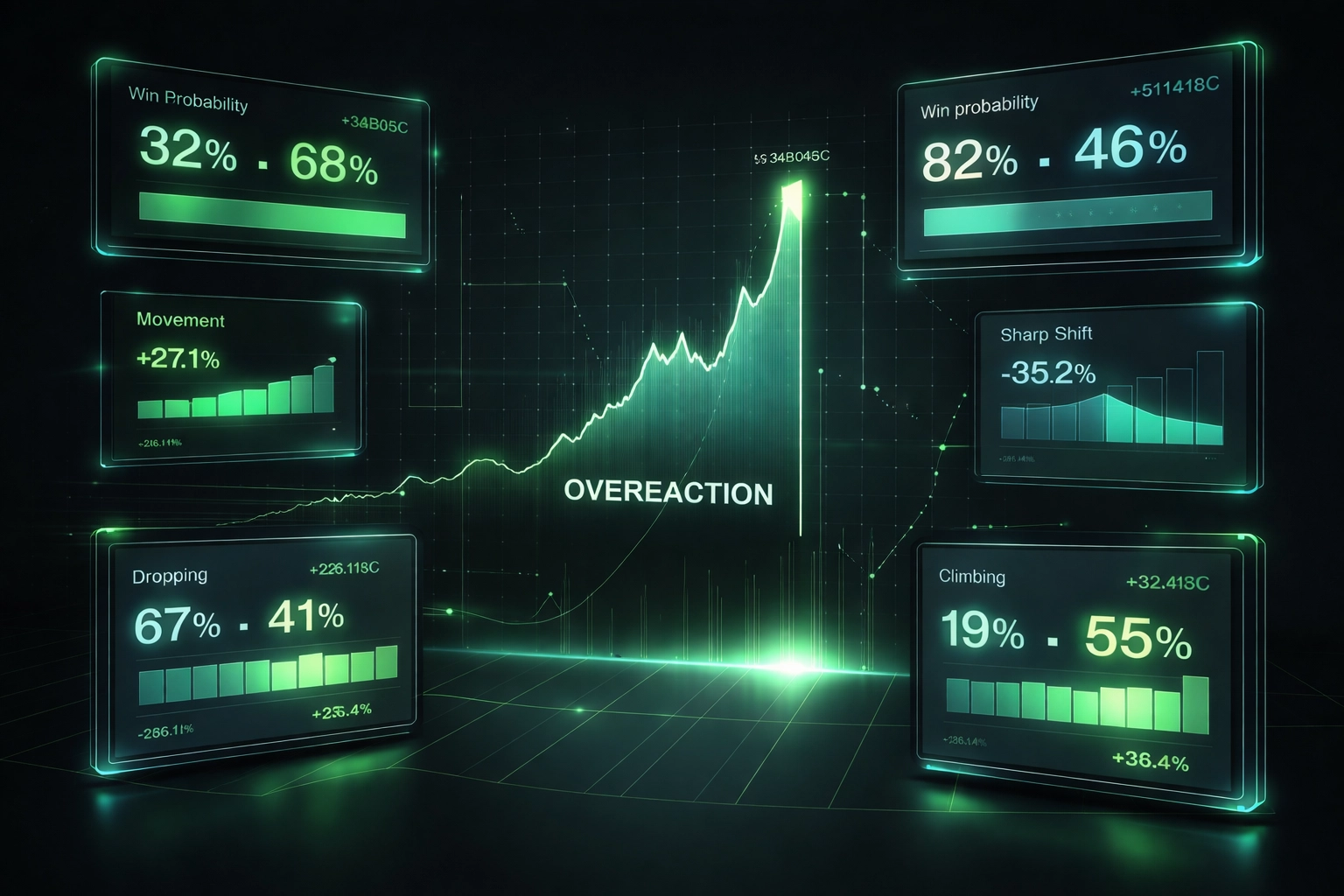
Research shows a home team’s win probability can drop from around 47% to just 18% after receiving a red card. Meanwhile, if the opposition gets sent off, that same team’s chances can jump from 29% to nearly 52%.
These are huge swings. And they happen in seconds.
The problem? These adjustments are often based on averages. The market treats every red card the same way: regardless of when it happens, who’s involved, or what the scoreline looks like.
That’s a mistake. And it’s your opportunity.
Why Context Matters More Than the Card Itself
Not all red cards are equal. The actual impact depends on several variables that markets often fail to fully price in.
Timing Is Everything
An early red card changes the entire match. The team down to ten men has 70+ minutes to defend with a numerical disadvantage. Fatigue sets in. Gaps appear. The odds adjustment makes sense.
But a red card in the 85th minute? That’s a completely different story.
Markets often adjust as if there’s a full half still to play. In reality, there might be five minutes plus stoppage time. The penalised team just needs to hold on. The value might actually lie in backing them: or at least recognising the over-correction.
Team Quality Changes the Equation
Here’s something most punters overlook: a red card affects strong teams differently than weaker ones.
When a stronger team gets sent off against a weaker opponent, total goals often decrease. The stronger side sits deep, stays organised, and frustrates. The weaker team lacks the quality to break them down.
But flip it around. When a weaker team loses a player against a stronger side? The floodgates can open.
Markets tend to apply uniform probability adjustments. Reality is far messier.
Home vs Away: The Hidden Asymmetry
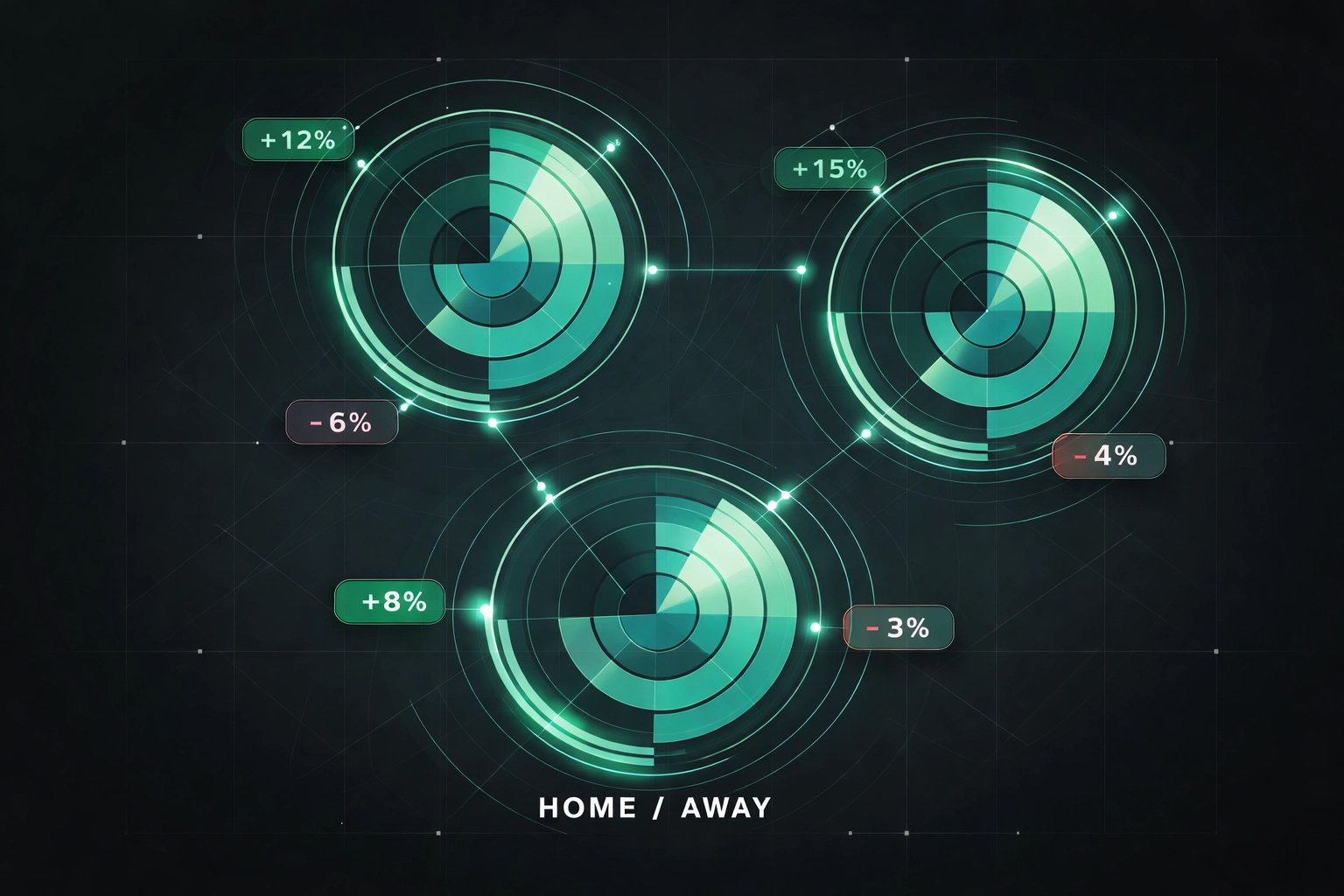
The handicap for away teams receiving a red card is significantly more severe than for home teams.
Data shows a red card for the visiting side increases the home team’s scoring chances by around 69%. But when the home team is penalised? That figure drops to just 17%.
Home advantage, crowd support, familiarity with the pitch: it all compounds. Yet markets don’t always reflect this asymmetry accurately.
The Numbers Behind the Noise
Let’s get specific about what actually happens to scoring intensity after a dismissal.
The penalised team’s scoring output drops to roughly two-thirds of its original rate. Not zero. Two-thirds.
Meanwhile, the team with the extra man sees their scoring intensity increase by approximately 54%. Significant, but not the complete dominance the odds often suggest.
Compare these empirical effects against the odds movement you’re seeing in real-time. If the market has adjusted by more than these figures justify, you’ve found potential value.
This is where in-play betting strategies get interesting. You’re not guessing. You’re calculating.
Spotting the Overreaction: Practical Signals
So how do you identify when markets have overcorrected? Look for these scenarios:
Late-game dismissals with limited time remaining. If a red card comes after the 80th minute, the odds often adjust as if there’s still plenty of football left. There isn’t. The penalised team’s task is manageable.
Strong teams going down to ten men against weaker opposition. The market might price in a collapse that never comes. Quality sides know how to defend a lead or keep things tight with ten men.
Away teams already trailing when they receive a red card. The scoreline may already reflect their disadvantage. The red card might not change the most likely outcome as much as the odds suggest.
Matches where the ten-man team has a defensive setup anyway. If they were sitting deep before the card, losing a player might not dramatically alter their approach.
The key is comparing the odds movement against what you’d reasonably expect given the specific circumstances. If the adjustment feels excessive, dig deeper.

How Real-Time AI Finds What You’d Miss
Here’s the challenge with live betting after red cards: everything happens fast.
You’ve got seconds to assess the situation, calculate the value, and place your bet before the odds settle. Most punters can’t do that analysis in real-time. They either miss the window or bet on instinct.
This is where Gecko Edge changes the game.
Gecko Edge‘s real-time AI processes match data instantly. It factors in team quality, match timing, scoreline context, and historical patterns. When a red card hits, it doesn’t just react: it calculates.
Can this team hold out? Is the market overreacting? Where’s the actual value?
While everyone else is piling in on the obvious bet, you’re getting a signal grounded in data, not emotion. That’s the difference between recreational betting and a genuine football betting strategy.
If you’re serious about treating your betting like a data-driven business, this kind of edge matters.
A Framework for Red Card Live Betting
Let’s put this into a simple process you can follow:
1. Note the timing. How many minutes are left? Early cards warrant larger adjustments. Late cards often don’t.
2. Assess team quality. Is the penalised team capable of defending organised? Is the opposition capable of capitalising?
3. Consider the scoreline. A team already losing by two goals and then getting a red card? The market might be pricing in a rout that’s unlikely.
4. Check home/away dynamics. Remember the asymmetry. Away red cards hurt more.
5. Compare the odds movement to expected impact. If the shift seems excessive relative to the scoring intensity changes we discussed, there might be value on the other side.
6. Act quickly but calmly. Windows close fast in live markets. Have your process ready before the red card happens.
This framework won’t guarantee wins. Nothing does. But it gives you a structured approach to finding betting value picks when everyone else is reacting on instinct.

The Bottom Line
Red cards are chaos for casual bettors. But for those with a system, they’re opportunity.
Markets overreact because they have to. Bookmakers can’t afford to get caught out, so they adjust aggressively. That aggression creates mispricing: and mispricing is where value lives.
Your job isn’t to bet every red card situation. It’s to recognise when the odds have moved further than the circumstances justify.
Timing. Team quality. Home advantage. Scoreline context. These factors matter more than the card itself.
And if you want to make these decisions faster and smarter, Gecko Edge is built exactly for moments like these. Real-time analysis. No guesswork. Just data-driven signals when the markets are at their most volatile.
Smarter betting starts with seeing what others miss. Red cards are just the beginning.