

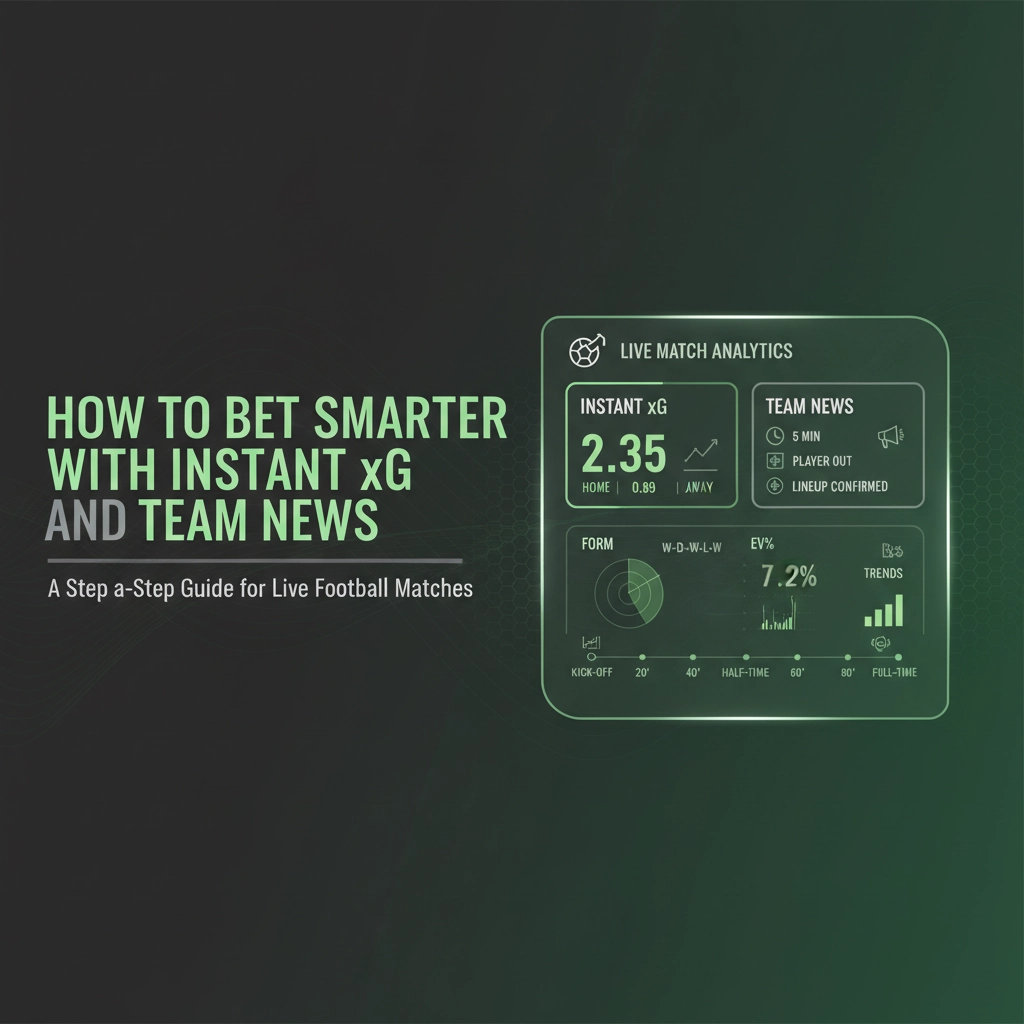
Live football betting used to be about gut feelings and quick reactions. Not anymore. Today’s sharpest bettors combine instant xG data with real-time team news to spot opportunities that others miss entirely.
Here’s exactly how to do it – no fluff, just the framework that works.
Understanding xG in Live Betting Context
Expected Goals (xG) measures the quality of scoring chances, not just the quantity. A penalty carries roughly 0.76 xG. A speculative shot from 30 yards might be worth 0.03.
The magic happens when you track this data live. While everyone else watches the scoreline, you’re seeing the real story unfold through chance quality.
Think of xG as your betting radar. It shows incoming opportunities before they hit the scoreboard.

Why Live xG Beats Pre-Match Stats
Pre-match xG tells you historical patterns. Live xG shows you what’s happening right now. A team might average 1.2 xG per game, but if they’re creating 2.1 xG in the first half today, that changes everything.
The key insight: when actual goals and xG diverge significantly during a match, finishing luck typically corrects itself. This creates betting edges that disappear once the market catches up.
The Step-by-Step Framework
Step 1: Set Your Pre-Match Baseline
Before kickoff, gather these metrics for both teams:
- Recent xG created per game (last 5 matches)
- Recent xG conceded per game
- Goal conversion efficiency (actual goals vs xG over last 10 games)
This baseline reveals whether teams are overperforming or underperforming their underlying numbers. A team consistently scoring fewer goals than their xG suggests regression towards better finishing.
Step 2: Monitor the Opening 20 Minutes
The first 20 minutes often set the tactical tone. Watch for:
Early pressure patterns – If one team generates 0.8 xG while the other manages 0.1, the odds haven’t caught up yet. This is your window.
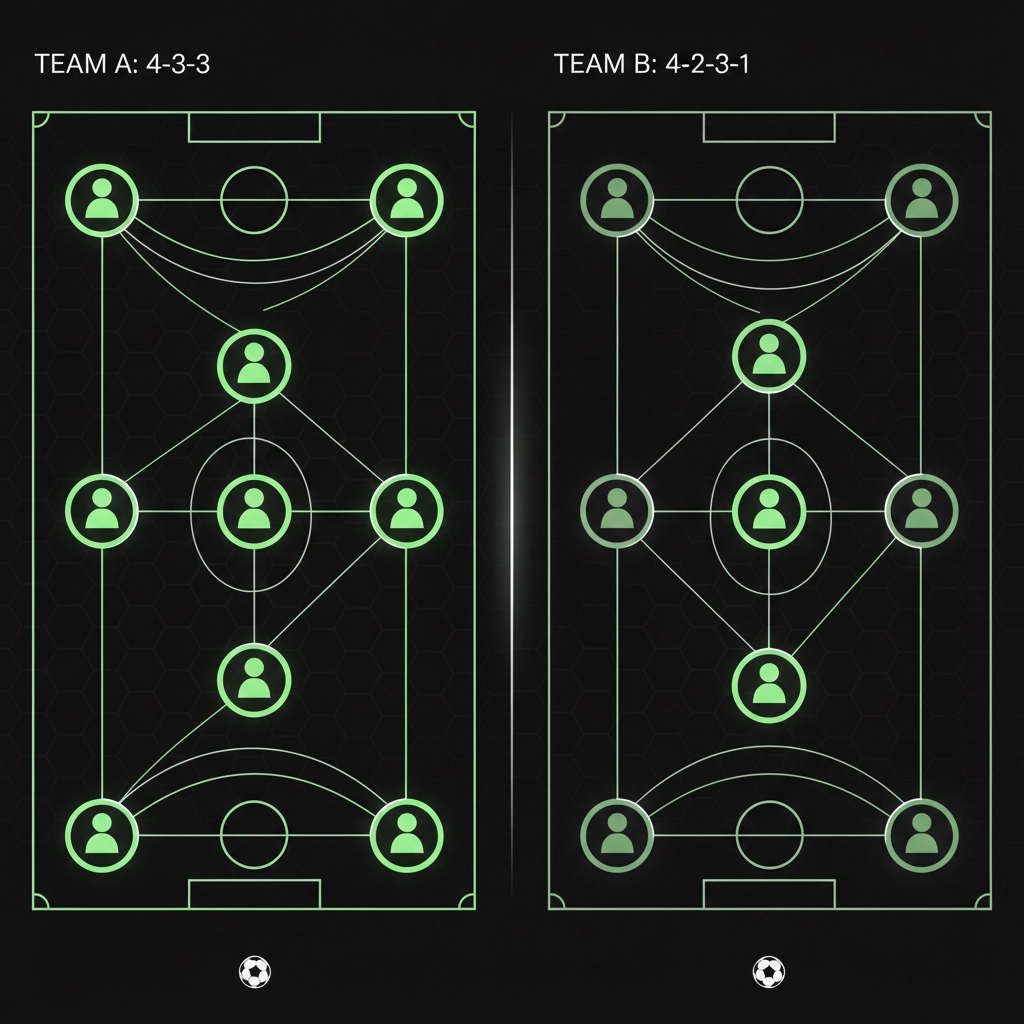
Formation surprises – Unexpected tactical setups can dramatically alter xG generation patterns. A 3-5-2 instead of expected 4-3-3 changes everything.
Player positioning – Key attackers drifting wide or central can shift where and how chances develop.
Step 3: Blend Team News with xG Trends
Here’s where most bettors get it wrong – they treat team news and xG as separate signals. Smart money combines them.
Injury impacts on xG
When a key defender gets injured, opposing xG per shot typically increases by 15-25%. But if their replacement is actually better suited to the tactical setup, this might not apply.
Tactical substitutions
A defensive midfielder coming on usually reduces both teams’ xG generation. An attacking sub in the 60th minute often increases total match xG significantly.
Formation changes
Moving from 4-4-2 to 4-2-3-1 mid-match typically increases xG quality but reduces xG quantity. Know the difference.
Step 4: Identify Value in Live Markets
Over/Under Markets
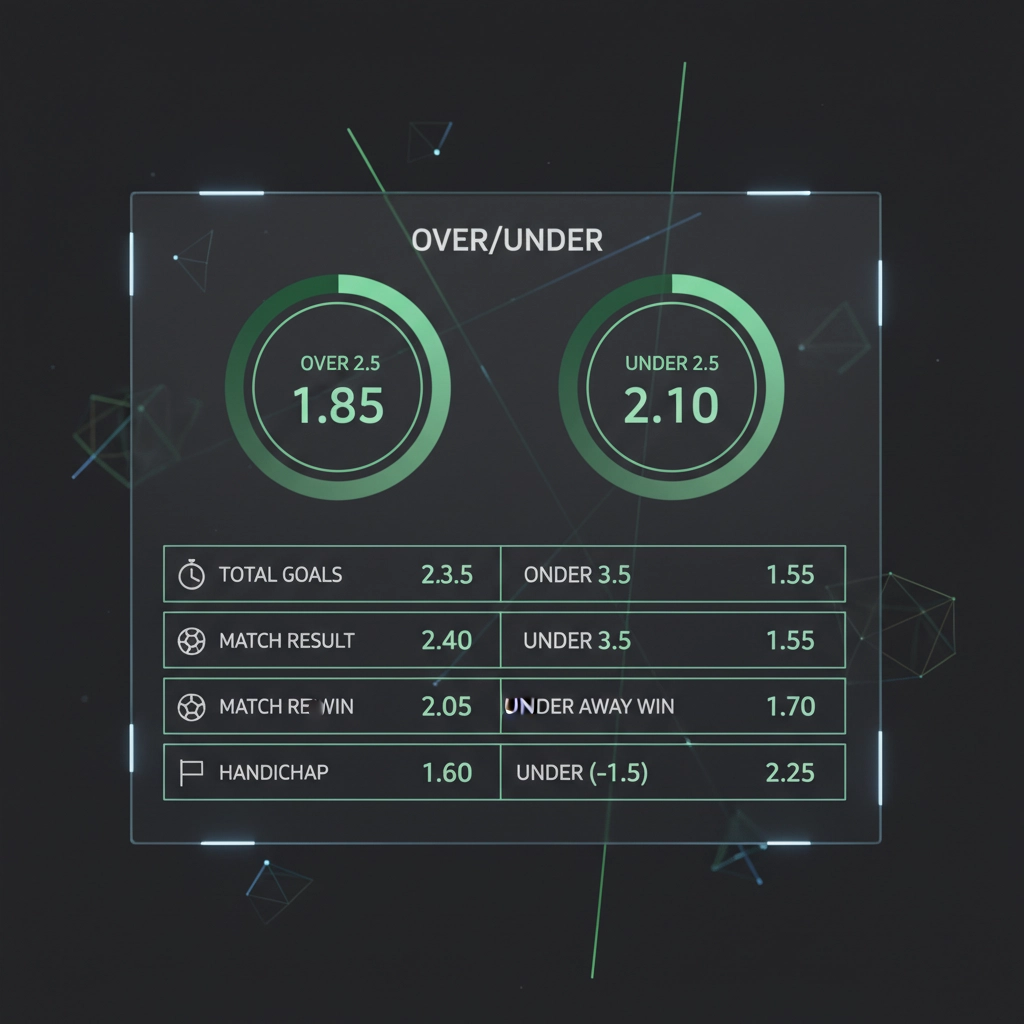
If both teams are averaging 1.5 xG each during the match, the statistics lean heavily towards Over 2.5 goals – regardless of nervous first-half scoreLines.
When both teams remain below 0.9 xG combined after 60 minutes, Under bets become attractive.
Next Goal Markets
Team generating significantly higher xG but trailing on the scoreboard? The next goal market often provides value before odds adjust.
Asian Handicap Adjustments
Live xG often reveals the true favourite before the market corrects. A team creating 2.1 xG against opponent’s 0.4 xG should be heavily favoured, even if the score suggests otherwise.
Real-World Application Example
Let’s walk through a recent Premier League match to see this framework in action.
Pre-match setup: Liverpool vs Newcastle
- Liverpool recent xG: 2.1 per game
- Newcastle recent xG conceded: 1.8 per game
- Liverpool conversion efficiency: Underperforming by 0.3 goals per game
Live developments (35 minutes):
- Liverpool xG: 1.9
- Newcastle xG: 0.3
- Score: 0-0
- Team news: Newcastle’s right-back hobbling, likely substitution coming
The opportunity: Liverpool massively outperforming xG generation, Newcastle weakened defensively, but odds still reflect 0-0 scoreline. Over 2.5 goals offered value at 2.10.
Outcome: Liverpool scored twice before hour mark, finishing with 3.2 xG. Early bettors who combined xG data with tactical reading profited significantly.
Common Pitfalls to Avoid
Overreacting to Small Sample Sizes
Twenty minutes of xG data means something. Five minutes means very little. Wait for meaningful patterns to develop before making significant betting decisions.
Ignoring Game State
A team leading 2-0 after 30 minutes will naturally generate less xG in the second half. Context matters as much as the raw numbers.
Betting Every xG Edge
Not every statistical advantage translates to betting value. The market might already be pricing in factors you can’t see from xG alone.
Missing the Bigger Picture
xG is one tool, not the only tool. Combine it with:
- Possession patterns
- Shot locations
- Defensive pressure intensity
- Player fatigue levels
Making It Work with Modern Tools
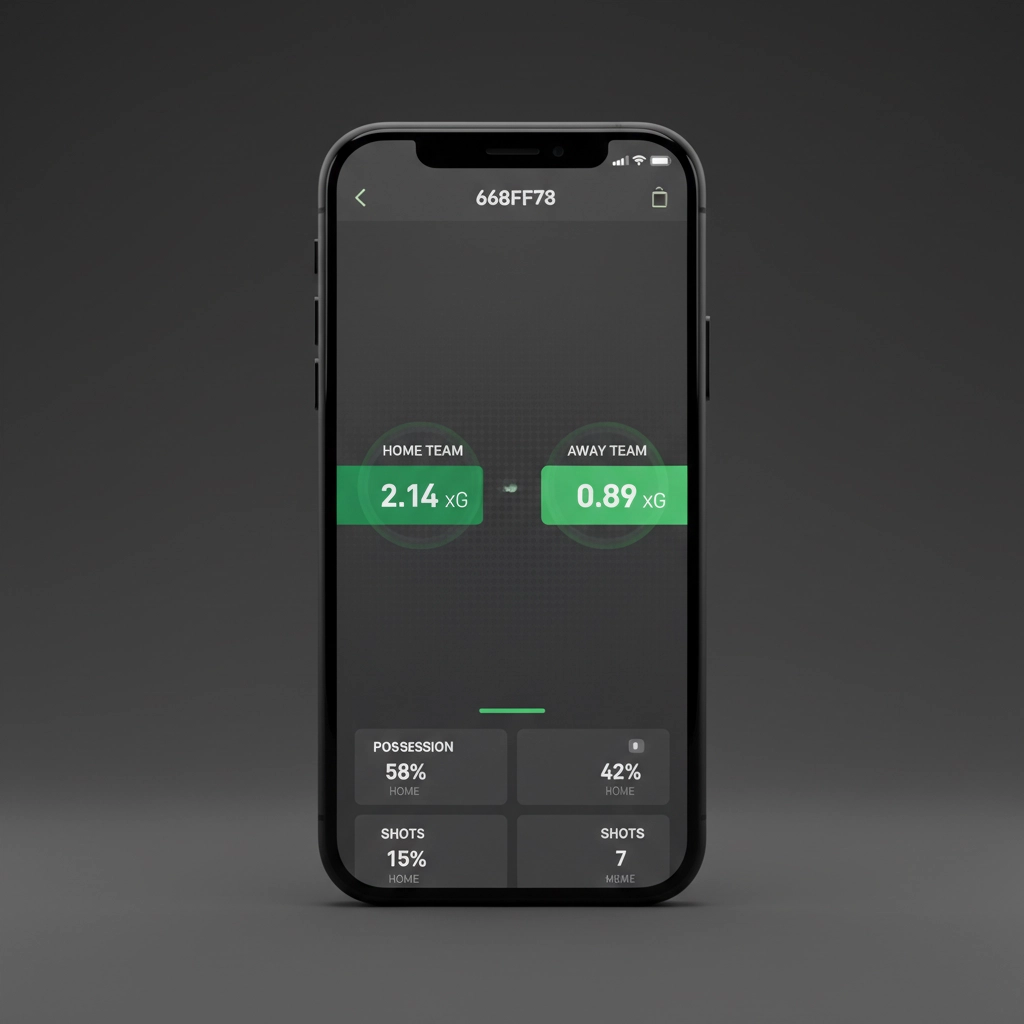
The speed of live betting demands instant access to accurate data. Gecko Edge processes live xG updates alongside team news feeds, injury reports, and tactical changes in real-time.
This isn’t about replacing your football knowledge – it’s about upgrading your decision-making speed and accuracy.
Setting Up Your Live Betting Dashboard
Primary screen: Live xG tracker with running totals
Secondary data: Team news updates, substitution alerts
Market monitoring: Odds movement across key markets (Over/Under, Asian Handicaps, Next Goal)
The goal is recognising opportunities in the 30-60 seconds before the broader market reacts.
The Mindset Shift
Traditional live betting is reactive – you see a goal and bet on the next one. xG-driven live betting is predictive – you see the chance quality building and position accordingly.
This requires patience. Some matches will show clear xG edges that never convert to goals. That’s expected variance, not system failure.
Over larger samples, teams that consistently outperform their xG during matches tend to score more goals in subsequent fixtures. Teams that underperform their xG often provide value in future betting markets.
Your Next Steps
Start small. Pick one league you know well. Track live xG for five matches without betting. Notice how often xG spikes precede goals by 5-15 minutes.
Once you see the patterns, begin with small stakes on clear opportunities where xG and team news align strongly.
Remember: the goal isn’t predicting every outcome. It’s identifying the situations where your analysis provides a genuine edge over market pricing.
Gecko Edge combines live xG tracking with instant team news analysis, making this process faster and more accurate than manual monitoring.
Smart betting starts with smart data. xG and team news together provide both.