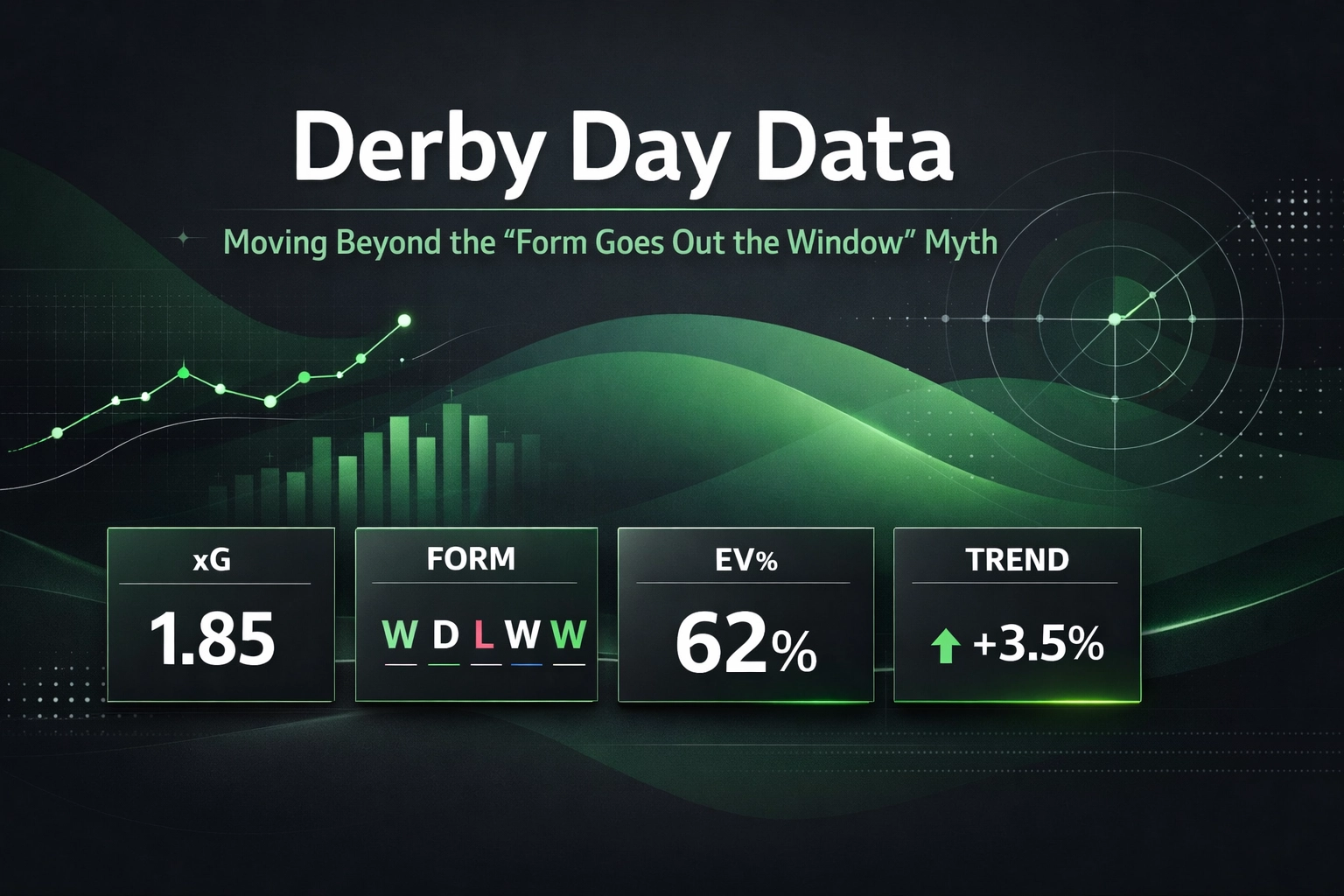
You’ve heard it a thousand times. “It’s Derby Day. Form goes out the window.” Pundits say it. Commentators say it. Your mate down the pub absolutely swears by it. And on the surface, it sounds reasonable. Local rivalries are emotional. Players are fired up. The usual patterns don’t apply.
Except that’s not what the data says.
Derby matches are unpredictable, sure. But unpredictable doesn’t mean random. And that distinction matters if you’re trying to make smarter bets.
Gecko Edge has tracked 8,439 AI-generated bets and recorded +398pts of profit across 66 competitions. See how the model works →
Let’s break down why this myth persists, what the numbers actually show, and how AI-driven analysis from Gecko Edge can help you see through the noise.
Why the Myth Exists in the First Place
The “form doesn’t matter” narrative comes from memorable upsets.
The mid-table side that beats their top-four rivals. The relegation battler who suddenly finds energy against their city neighbours. These matches stick in your mind because they defy expectations.
But here’s the thing. You remember the surprises precisely because they’re surprising. If every derby was a coin flip, they wouldn’t make headlines.
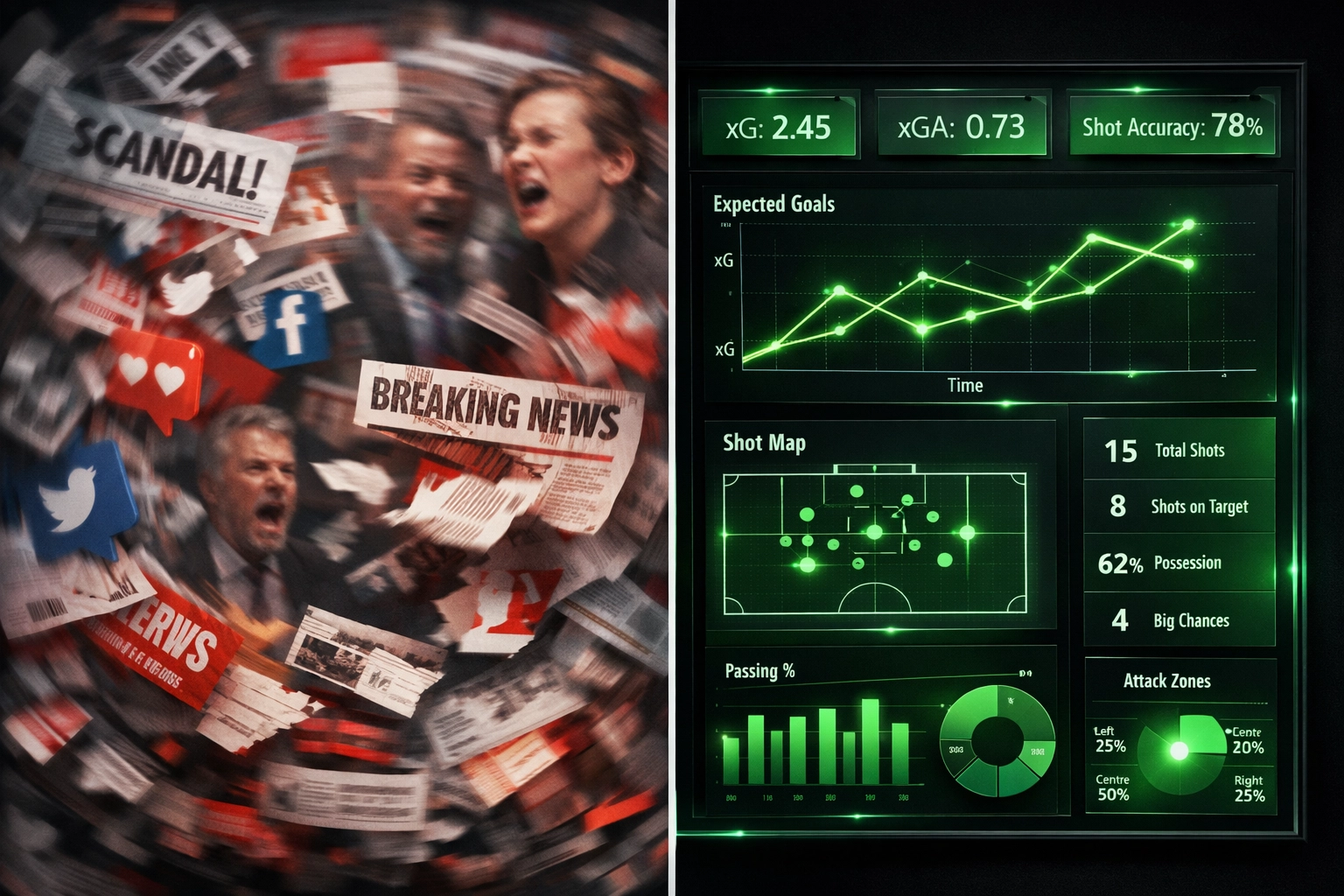
The truth is, most derbies follow predictable patterns. The better team usually wins. Home advantage still plays a role. Defensive records still hold up. But because the stakes are higher and the atmosphere is louder, we convince ourselves the fundamentals have changed.
They haven’t.
What has changed is the intensity. And intensity affects how form expresses itself, not whether it matters.
What the Data Actually Tells Us
When you analyse derby results across multiple leagues and seasons, patterns emerge.
Teams with better defensive records concede fewer goals in derbies. Teams with higher expected goals (xG) per match still create more quality chances. Home sides still convert possession into shots at predictable rates.
Yes, there’s variance. Yes, emotions run high. But the core metrics that define strong teams don’t suddenly vanish because it’s a local rivalry.
Take the North London Derby as an example. Over the last decade, Arsenal and Tottenham have traded wins and draws. But when you dig into the underlying numbers, the team with better recent xG tends to outperform over time. Not every single match, but across a sample size, the edge is there.
The same applies to Merseyside, Manchester, Milan, and every other major derby you can name.
Gecko Edge tracks these patterns across competitions. Our AI doesn’t care about narratives or emotional storylines. It looks at shot quality, defensive solidity, recent performance trends, and live data feeds to calculate real-time probabilities.
And it turns out, form still matters. A lot.
Where AI Finds the Edge
Here’s where predictive modelling gets interesting.
Traditional analysis focuses on results. Win, loss, draw. But results can be deceiving. A team can win 1-0 and get battered. Another can lose 2-1 and dominate possession.
AI digs deeper.
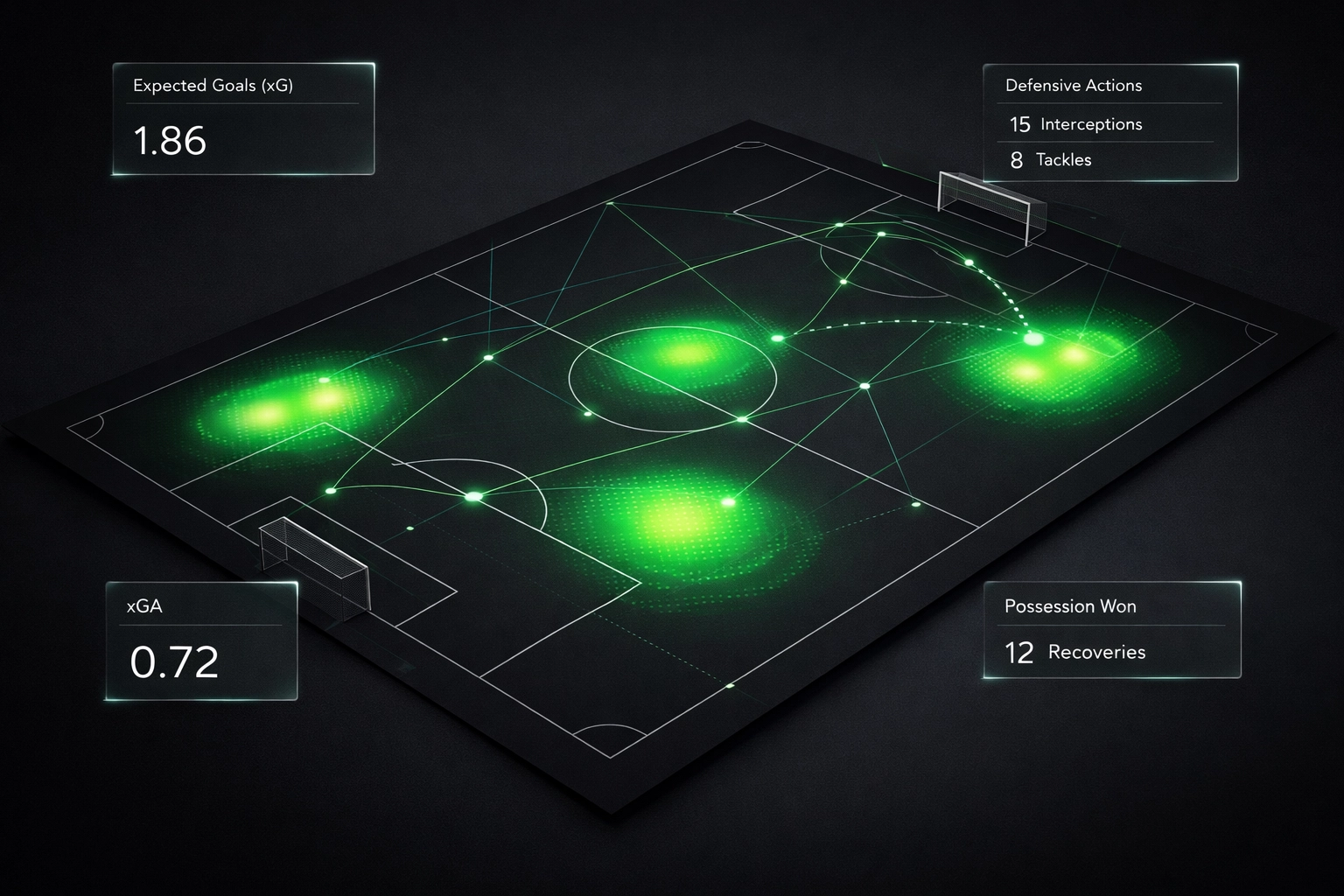
Gecko Edge analyses shot locations, defensive actions, pressing intensity, and transition speed. It compares recent form against historical derby trends. It isolates noise from signal.
What this means for you is simple. You get a clearer picture of whether a team’s recent form is sustainable, or whether they’ve been lucky.
In derbies, this matters more than ever. Because while everyone else is betting on passion and pride, you’re betting on data that actually predicts outcomes.
Take a derby where the away side is in better form but perceived as the underdog. The market overvalues the home crowd. The bookies price in the emotion. But the AI sees the reality. Better xG. Tighter defence. Higher chance of scoring first.
That’s where value lives.
The Role of Tactical Adjustments
One argument for the “form doesn’t matter” camp is that managers approach derbies differently.
Fair point. Tactics do shift. Teams sit deeper. Press higher. Take fewer risks.
But tactical changes don’t erase quality. They reshape how that quality is expressed.
A team that’s been strong defensively all season will likely stay strong in a derby, even if they’re more cautious. A side that’s created chances consistently won’t suddenly forget how to attack.
What changes is the tempo. The margin for error. The psychological pressure.
And that’s exactly what AI is built to handle. Gecko Edge adjusts for these factors. It accounts for how teams perform under pressure. It compares derby-specific data against broader trends.
So when the market prices a match based on hype, the AI prices it based on probability.
Real-World Application
Let’s get practical.
You’re looking at a derby between two mid-table sides. One team has won three of their last five. The other has drawn four and lost one. The bookies have them evenly matched at around 2.50 each.

The casual take? “It’s a derby. Could go either way.”
The AI take? Look at the underlying numbers. Which team created more chances? Which defence has been tighter? Which side has been lucky or unlucky with finishing?
If one team has been outperforming their xG and the other has been underperforming, you’ve got a potential edge. If one side’s defensive metrics are stronger and they’re at home, the value might be on under 2.5 goals.
This isn’t about ignoring emotion. It’s about not letting emotion override evidence.
Gecko Edge does this work for you. It filters out the noise and highlights where the probabilities diverge from the market.
And in derbies, that’s where the edge lives.
Why This Matters for Your Betting Strategy
Most bettors approach derbies with caution. And that’s smart. High variance, emotional narratives, unpredictable outcomes.
But caution doesn’t mean avoidance. It means precision.
If you’re relying on gut feel or pundit opinions, you’re betting blind. If you’re using data intelligently, you’re betting with clarity.
The best approach? Combine the AI’s insights with your own understanding of context. Know the rivalry. Know the stakes. But don’t let sentiment cloud your judgement.
Use the predictive models to identify where the market is mispricing the match. Then decide if the value justifies the risk.
That’s the difference between hoping for an upset and actually profiting from one.
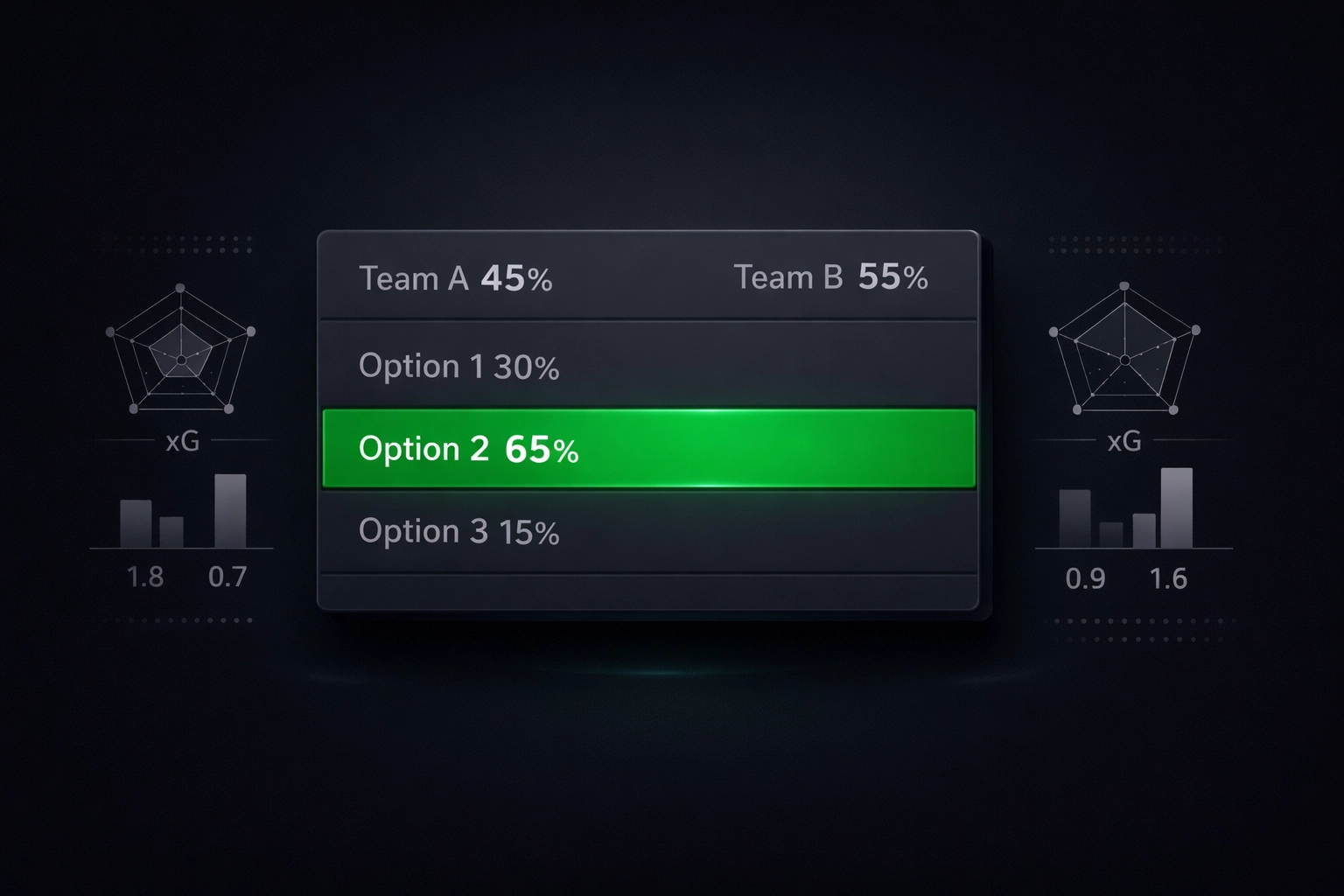
Derby days are intense. The atmosphere is electric. The stakes feel massive. But the fundamentals still apply.
Form doesn’t go out the window. It just gets tested under pressure.
And if you’re using the right tools, you can see through the hype and find the edge.
Gecko Edge is built for exactly this. Predictive modelling that cuts through emotion and delivers probabilities based on what actually matters.
Because at the end of the day, passion doesn’t score goals. Data-driven decisions do.
So next time someone tells you form doesn’t matter in a derby, smile politely. Then check the numbers.
You’ll be surprised how often they tell a very different story.