
Most bettors think BTTS betting is straightforward. Both teams score, or they don’t. Simple maths, right?
Wrong.
The real money sits in the gaps between what bookmakers think will happen and what actually unfolds on the pitch. These gaps exist because traditional pricing models miss subtle patterns that determine whether both teams find the net.
Gecko Edge has tracked 8,439 AI-generated bets and recorded +398pts of profit across 66 competitions. See how the model works →
Gecko Edge has been tracking these patterns across thousands of matches. What we’ve found changes everything about how smart bettors approach BTTS value.
The Probability Gap That Creates Profit
Value in BTTS betting comes from one core principle: finding matches where the true likelihood of both teams scoring exceeds what bookmakers believe.
Here’s where it gets interesting. Bookmakers use broad statistical models that treat all 2-1 wins the same way. But context matters enormously.
A team winning 2-1 after dominating possession and creating 15 chances operates differently from a side that nicks two goals on the counter whilst defending desperately. The first scenario suggests both teams can score. The second doesn’t.

Traditional models miss this nuance. They see “2-1 result” and update their algorithms accordingly. Multi-market AI models see the underlying patterns that created that scoreline.
Statistical Foundations That Actually Matter
Most punters focus on basic BTTS percentages. Team A scores in 60% of matches. Team B concedes in 65%. Job done.
This surface-level analysis misses the deeper patterns that create scoring opportunities.
League Context Creates Baselines
The Premier League sees both teams score in roughly 55% of matches. Serie A sits closer to 48%. La Liga falls somewhere between. These aren’t random numbers – they reflect tactical approaches, referee tendencies, and playing styles that define each competition.
Smart bettors use league context as their starting point, not their conclusion.
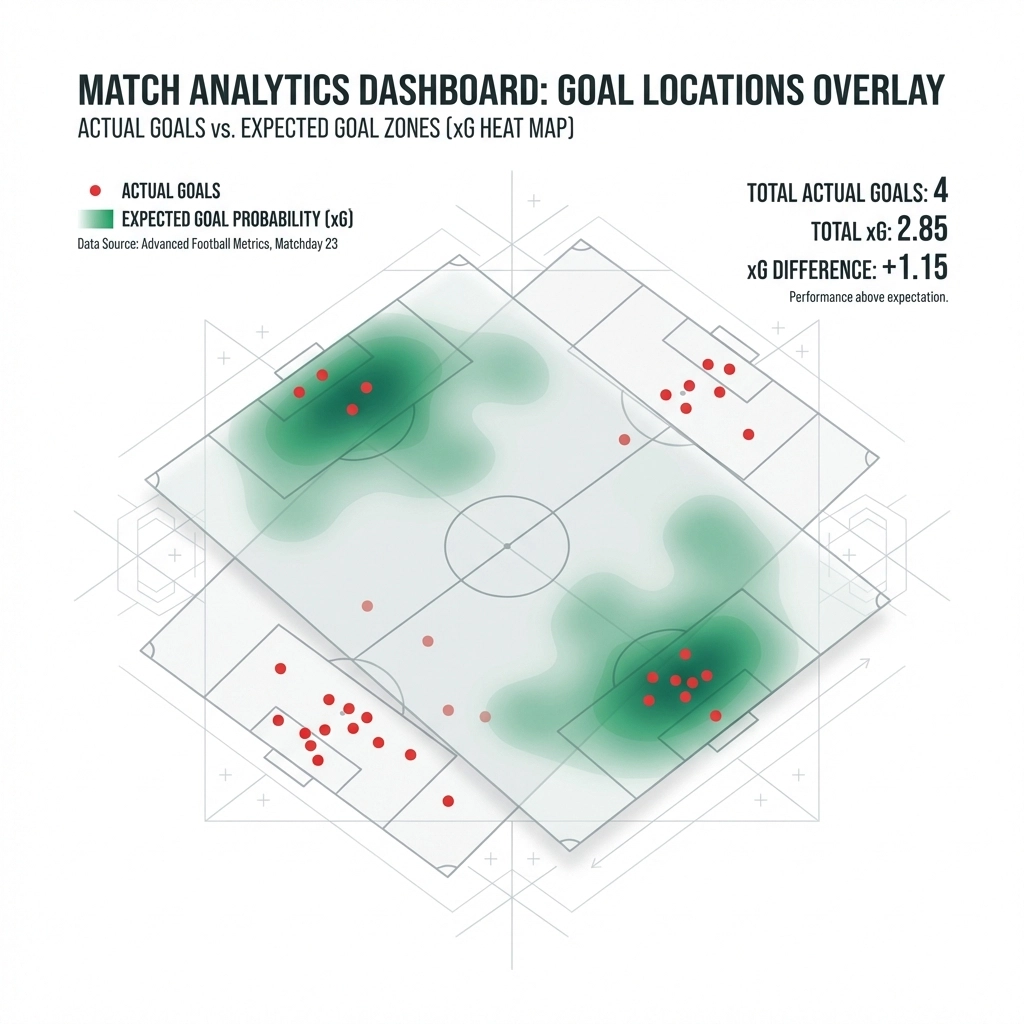
Expected Goals Paint the Real Picture
Goals can be misleading. Expected Goals reveal intent.
A match finishing 0-0 with combined xG of 3.2 tells a different story than a 0-0 with combined xG of 0.8. The first suggests both teams created chances but luck intervened. The second indicates tactical negativity from both sides.
Gecko Edge processes xG data alongside traditional metrics to identify matches where scoring chances emerged but conversion failed. These patterns often repeat in subsequent fixtures.
Defensive Metrics Drive BTTS Value
Goals conceded per match matters less than how those goals arrive. Teams conceding from set pieces operate differently from sides that leak goals through counter-attacks or defensive errors.
Multi-market models track these patterns because they persist. A team that struggles with pace down the flanks will likely struggle again against similar opponents.
Tactical Factors AI Spots That Humans Miss
Human analysis focuses on obvious patterns. AI identifies subtle correlations that create consistent value.
Pressing Intensity and Space Creation
Teams that press high create space behind their defensive line. When both teams adopt aggressive pressing, the result often favours BTTS regardless of recent scoring form.
Traditional models might flag this as a low-scoring match if both teams have struggled to find the net recently. Multi-market AI recognises the tactical setup creates scoring opportunities regardless of current form.
In-Game Adaptation Patterns
Some teams change approach when trailing. Others stick rigidly to their game plan. These tendencies create predictable patterns that AI models exploit.
A defensively solid team that abandons caution when chasing games becomes vulnerable to counter-attacks. Their opponent’s attacking record becomes less relevant than their ability to exploit space.
Squad Rotation and Performance Correlation
Managers rotate squads differently. Some maintain tactical cohesion with second-string players. Others see significant drop-offs in defensive organisation.
AI models track these rotation patterns and their impact on both scoring and conceding rates. A team that typically keeps clean sheets might become vulnerable when key defensive players rest.
How Multi-Market AI Models Work Differently
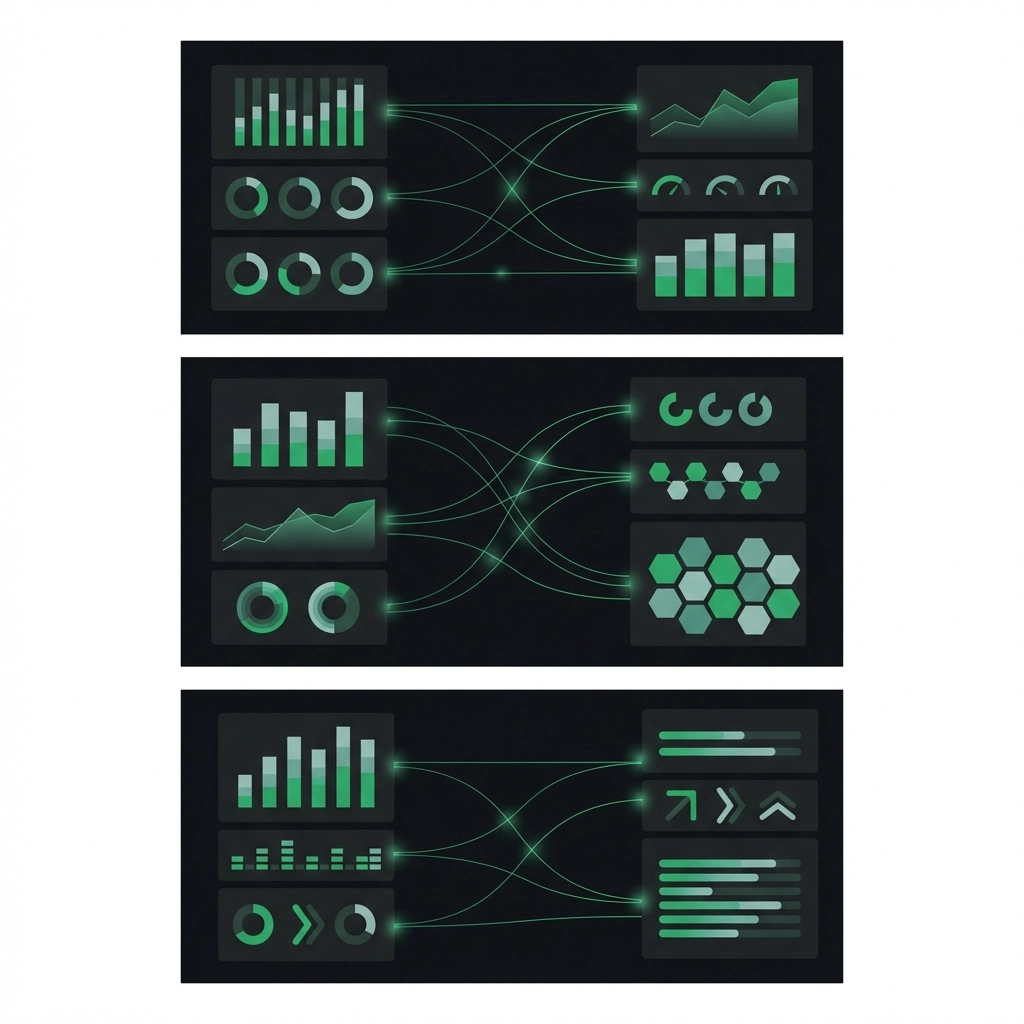
Traditional betting models operate in isolation. BTTS models focus purely on both teams scoring. Over/Under models concentrate on total goals. Asian Handicap models examine winning margins.
Multi-market models analyse all these factors simultaneously.
This approach reveals hidden correlations. A team priced generously in the Asian Handicap market might also offer value for BTTS if the handicap reflects expected defensive vulnerabilities rather than attacking limitations.
Cross-Market Validation
When Asian Handicap lines suggest a close match but BTTS odds imply low-scoring, opportunity often exists. Close matches typically see both teams commit players forward, creating chances at both ends.
Gecko Edge processes these cross-market signals to identify matches where bookmaker pricing creates inconsistencies across different bet types.

Real-Time Adjustment Capability
Live betting odds move rapidly based on in-game events. Multi-market models process these movements alongside match footage to identify value opportunities that emerge during play.
A team conceding early might see their BTTS odds lengthen despite the goal increasing likelihood of an open, end-to-end encounter.
Practical Application: Finding Your Edge
Understanding these concepts matters little without practical application. Here’s how smart bettors use multi-market analysis for BTTS value.
Target Tactical Mismatches
Look for matches where tactical approaches favour scoring at both ends. High-pressing teams facing opponents comfortable playing through pressure often create chaotic encounters.
Mid-table sides with solid attacking players facing relegated teams fighting for points frequently produce BTTS value. The pressure forces attacking play from both sides.
Exploit Home/Away Splits
Teams often perform differently at home versus away. A solid home defensive record might mask poor away form that creates BTTS opportunities.
Multi-market models process these splits across multiple bet types to identify teams whose away defensive struggles create value in specific fixtures.
Monitor Line Movement Patterns
When BTTS odds drift whilst total goals markets remain stable, investigate why. This pattern often indicates informed money backing the “No” option despite underlying factors favouring both teams scoring.
Use Squad News Strategically
Defensive injuries matter more for BTTS than attacking ones. A missing centre-back impacts defensive organisation more significantly than a missing winger affects attacking threat.
AI models weight these personnel changes based on positional importance and replacement quality rather than simply noting absences.
The Edge Moving Forward
BTTS betting evolves constantly. Teams adapt tactics. Managers change approaches. Player personnel shifts.
Static models struggle with this evolution. Multi-market AI adapts continuously, processing new data and adjusting predictions accordingly.
Gecko Edge combines this adaptive capability with practical betting application. Our system identifies value opportunities across multiple markets simultaneously, highlighting BTTS prospects that traditional analysis misses.
The future belongs to bettors who embrace technology whilst maintaining analytical discipline. Understanding why AI models work differently from traditional approaches creates sustainable advantage in an increasingly efficient market.
Value exists in the gaps between perception and reality. Multi-market AI models reveal these gaps with precision that human analysis alone cannot match.
The question isn’t whether AI will transform BTTS betting. The question is whether you’ll adapt before everyone else catches up.
Smart money always moves first. The edge belongs to those who act whilst opportunity remains.

1 comment